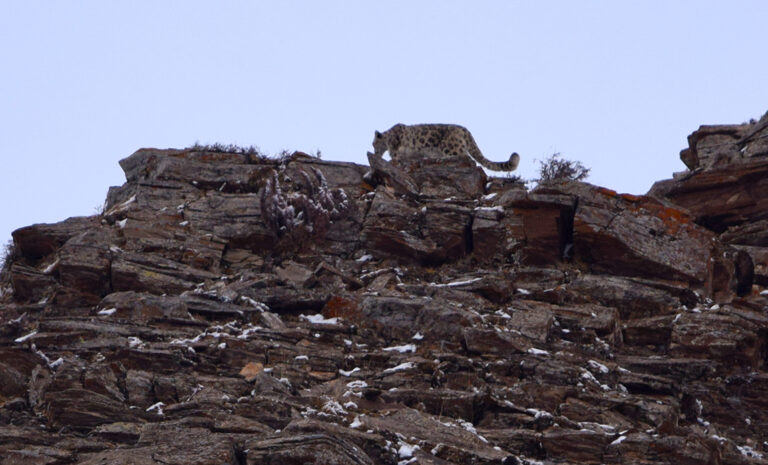
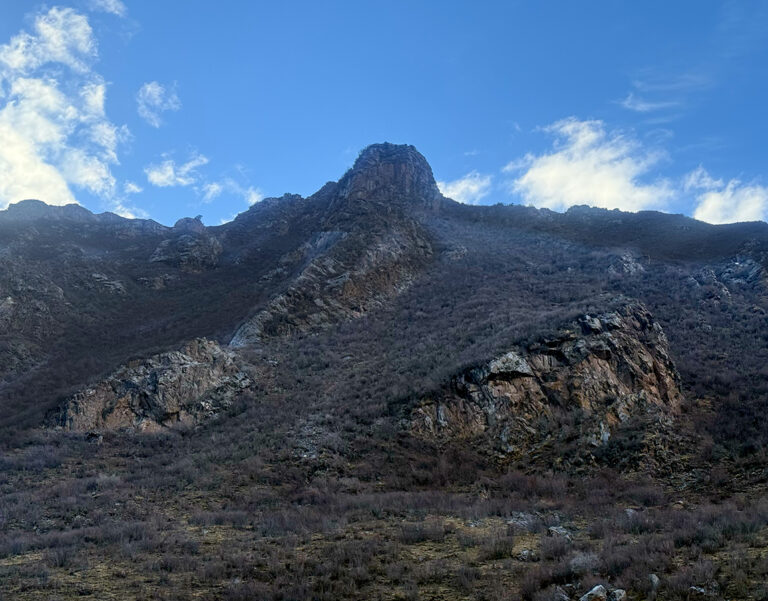
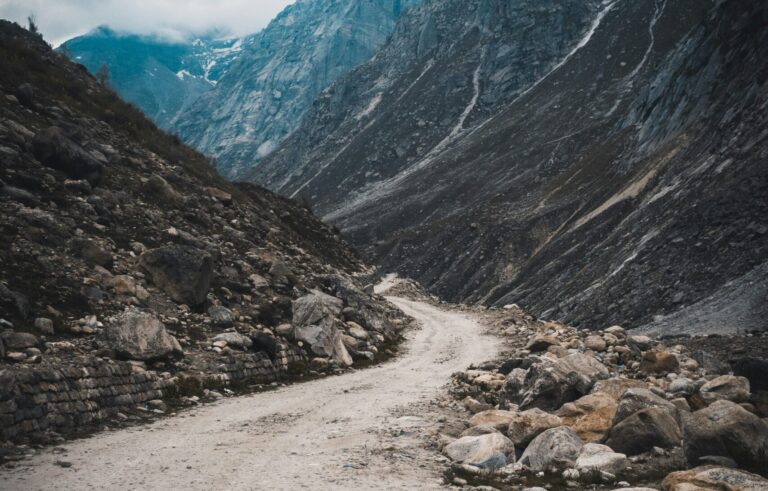
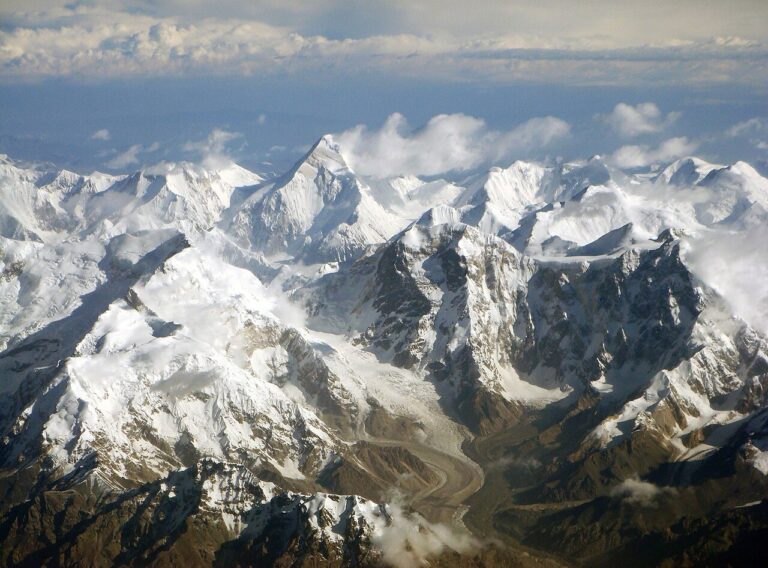
To understand the snow leopard is to understand the physics of the vertical world. Often called the “Ghost of the Mountains,” the snow leopard (Panthera uncia) has evolved a suite of behaviors and physical traits that allow it to thrive in oxygen-thin environments where temperatures can plummet to -40°C. The elusive cat is a master of solitude and spatial awareness, patrolling vast home ranges that can span up to 200 square kilometers.
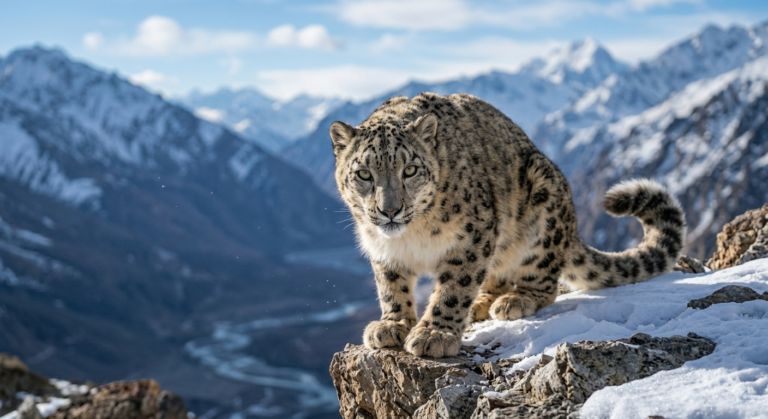
One of the most distinctive physical behaviors of the snow leopard involves its extraordinary tail. Measuring nearly the length of its entire body, the tail is exceptionally thick due to fat storage and dense fur. While it serves as a critical counterweight for balance during 10-meter leaps across jagged karst towers, it also functions as a portable heater. When the cat bed down for the night in the freezing Haxiu winds, it wraps its massive tail around its face and nose, using it as a biological muffler to pre-warm the air it breathes and protect its sensitive muzzle from frostbite.
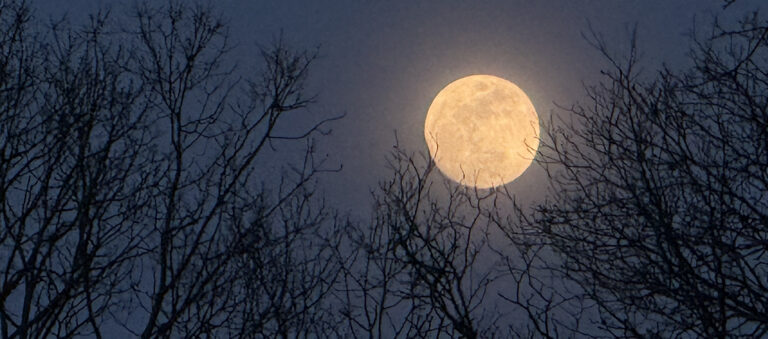
The snow leopard is also a “crepuscular” hunter, meaning it is most active during the twilight hours of dawn and dusk. This timing is a calculated tactical choice. The low-angle light of the rising or setting sun creates long, deep shadows among the limestone spires, enhancing the cat’s camouflage. During these hours, they utilize “ridgeline patrolling,” walking along the very crests of mountains to look down into two valleys simultaneously. This high-ground advantage allows them to spot their primary prey—blue sheep or ibex—from kilometers away, planning an ambush that utilizes gravity to increase their strike speed.
Communication among these solitary predators is a subtle art of chemical “billboarding.” Because they rarely meet face-to-face, snow leopards maintain a complex social network through scent marking. They perform “scrapes” with their hind legs, leaving distinct piles of earth along common travel routes, and spray urine against prominent overhanging rocks. These marking sites serve as a communal message board, telling other leopards who is in the area, their reproductive status, and when they last passed through. This behavior prevents unnecessary physical confrontations between males, allowing them to share a landscape without ever needing to fight for it.
Perhaps the most surprising behavioral trait is that, unlike other large cats, the snow leopard cannot roar. Due to the unique physiology of their vocal cords, they lack the “elastic” ligament that allows lions and tigers to produce a deep roar. Instead, they communicate through a variety of sounds including hisses, growls, and a unique, non-aggressive puffing sound called a “prusten” or “chuff.” This quieter vocal range is an adaptation to the thin mountain air, where sound travels differently, and maintaining a low profile is the key to remaining the “Ghost” of the karst.
Gravity-Defying Hunters: The Mechanics of the Mountain Leap
The snow leopard is perhaps the most accomplished acrobat of the feline world, capable of navigating 80-degree cliff faces that would be impassable to almost any other large mammal. Their ability to move vertically is not just a matter of strength, but a sophisticated combination of specialized skeletal anatomy and high-torque muscle fibers. A single leap can span up to 15 meters (50 feet) horizontally—roughly the length of a standard school bus—while a vertical jump can easily clear 6 meters (20 feet) in a single bound.
The “engine” behind these leaps is found in the hind limbs, which are significantly longer than the front legs. This anatomical imbalance acts like a coiled spring; when a leopard prepares to strike or clear a chasm, it compresses its powerful haunches to store elastic energy before exploding upward. Their chest muscles are also exceptionally broad, providing the necessary shock absorption for landing on uneven, rocky surfaces. This allows them to “stick” a landing on a narrow ledge after a massive jump without tumbling into the abyss below.
Crucial to this mechanical prowess is the snow leopard’s tail, which is often described as a “fifth limb.” Unlike the shorter tails of lions or tigers, the snow leopard’s tail is thick, heavy, and extremely muscular. During a mid-air leap, the cat rotates its tail in a circular motion to shift its center of gravity. This act of “aerial ruddering” allows the leopard to correct its trajectory or even change direction slightly in mid-air to match the desperate maneuvers of a fleeing blue sheep. Without this counterweight, the high-speed pursuit of prey across 45-degree slopes would be physically impossible.
The contact point for all this power is the snow leopard’s paws, which function as both high-grip climbing shoes and natural snowshoes. Their paws are disproportionately large, covered in thick fur even on the undersides, which increases surface area to prevent them from sinking into deep snow. On the bare gray rock of the karst towers, the fur provides essential traction and protects the pads from the jagged limestone edges. Furthermore, the leopard’s claws are retractable and highly curved, acting like ice axes to hook into tiny fissures in the stone, allowing them to pull their weight up near-vertical faces with terrifying ease.
These mechanical adaptations mean that the snow leopard does not just live in the mountains; it dominates them. While their prey, the blue sheep, are excellent climbers, they rely on a “stair-step” approach to escape. The snow leopard, by contrast, can simply “bypass” the terrain, leaping across the gaps that the sheep must navigate around. This mastery of 3D space is what makes the snow leopard the undisputed apex predator of the high-altitude world, turning the most treacherous cliffs in the world into a private playground.
The Gravity-Defying Hunt: A Downhill Pursuit
The downhill hunt of a snow leopard is widely considered one of the most breathtaking displays of natural athleticism in the animal kingdom. While many predators rely on a flat-ground sprint, the snow leopard utilizes gravity as a weapon, launching itself down near-vertical 80-degree slopes in pursuit of its primary prey, the blue sheep (bharal). This high-stakes chase is a calculated risk, where both predator and prey reach speeds that would be fatal to almost any other creature on such treacherous terrain.
The hunt often begins with the leopard perched high above on a limestone spire, utilizing its “high-ground” vantage point. Once the target is identified, the leopard does not simply run; it falls with intention. Using its massive, fur-covered paws to “surf” across loose scree and its thick tail as a literal rudder, the cat makes 10-meter leaps from one narrow ledge to the next. The mechanical force exerted on its joints during these landings is immense, but its specialized skeletal structure and broad chest act as a biological shock absorber, allowing it to maintain its momentum without breaking a limb.
During the descent, the snow leopard displays a level of spatial awareness that is almost supernatural. It must anticipate the erratic, zig-zagging maneuvers of the blue sheep, which is also a master of the cliffs. In these split-second moments, the leopard uses its “aerial ruddering” technique, spinning its tail in mid-air to shift its center of gravity and adjust its trajectory. This allows the cat to change direction while completely airborne, closing the gap even as the sheep desperately leaps toward a seemingly unreachable crevice.
The finale of a downhill hunt often involves a “tumble-tackling” maneuver. If the leopard catches the sheep on a steep incline, both animals may somersault hundreds of feet down the mountain in a chaotic blur of gray fur and dust. The snow leopard’s dense coat and thick muscle layers protect its internal organs from the impact of the rocks during this fall. Often, the leopard will not let go of the prey’s neck even as they are both plummeting, ensuring that once they come to a stop at the bottom of the cliff, the hunt is over. This willingness to risk a catastrophic fall is what defines the snow leopard as the ultimate apex predator of the high-altitude world.