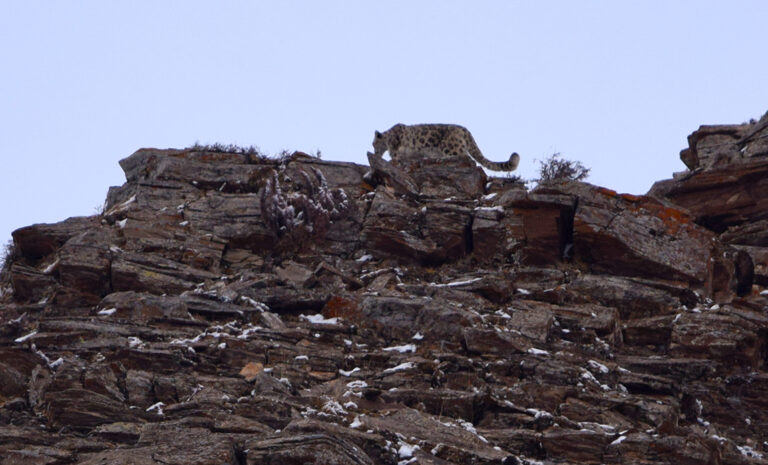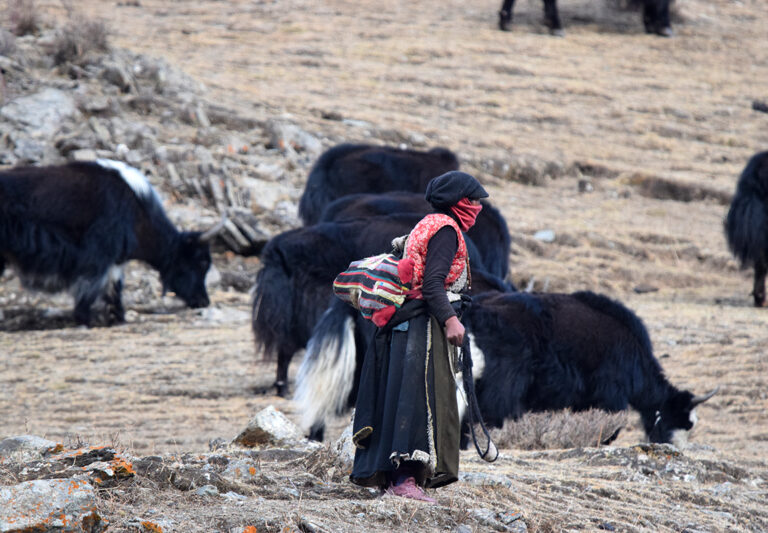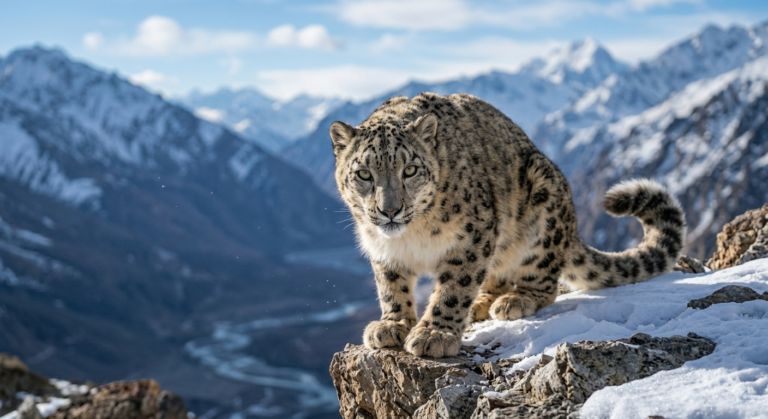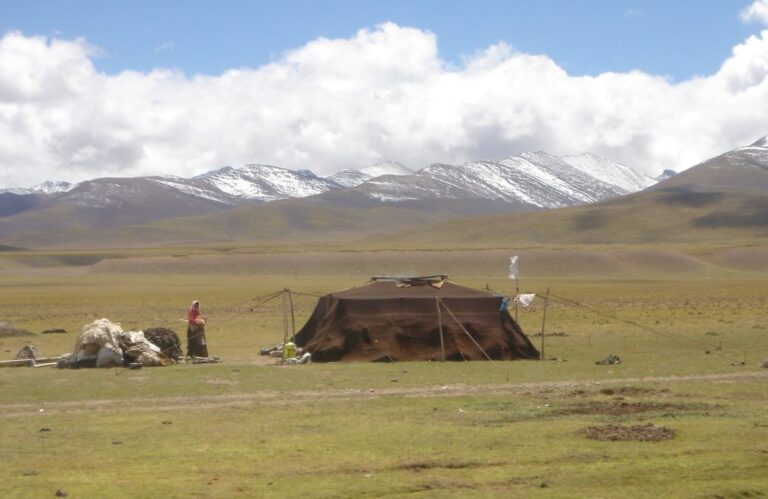

In the high-altitude pastures of the Sanjiangyuan, the survival of the snow leopard often intersects with the livelihoods of Tibetan nomadic herders. While the “Ghost of the Mountains” is a revered cultural icon, it is also a powerful predator capable of leaping into a traditional stone livestock pen, or kraal, and killing dozens of sheep or goats in a single night. This “surplus killing” can be financially devastating for a nomadic family, whose entire wealth is tied to their herd. To prevent retaliatory killing of the leopards, community-led programs have developed a sophisticated toolkit that blends modern engineering with social insurance.
The first line of defense is the physical reinforcement of the livestock pens. Historically, kraals were low-walled structures made of stacked stones that a snow leopard could easily clear. Through partnerships with organizations like the Shan Shui Conservation Center, many herders in Haxiu and across Yushu have been provided with materials to install anti-predator fencing. These are high-tension wire mesh covers and reinforced gates that prevent leopards from entering the pens at night. By securing the animals during their most vulnerable hours, the frequency of attacks has plummeted, significantly reducing the friction between the herders and the predators.
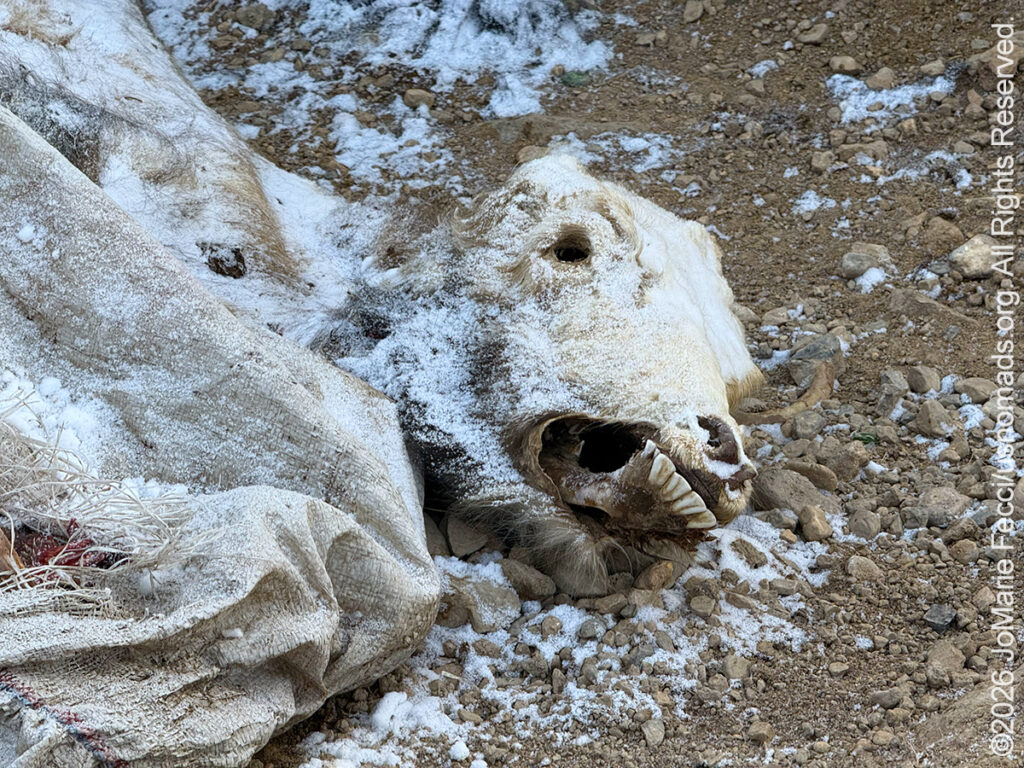 When preventative measures fail, a unique Community Insurance Scheme comes into play. Traditional government compensation can often be slow or hindered by bureaucracy, requiring difficult-to-obtain photographic proof before a claim is paid. To solve this, local communities in the Sanjiangyuan have established their own insurance funds. Herders pay a small annual premium per head of livestock, which is then matched by conservation NGOs or monastery donations. Because the program is managed by a committee of local elders and neighbors, the verification of a “kill” happens almost instantly. This rapid payout ensures that a herder’s frustration is met with immediate financial relief rather than a desire for revenge against the leopard.
Beyond financial and physical barriers, there is a deep psychological and spiritual component to managing this conflict. Monasteries play a pivotal role by reframing the snow leopard not as a thief, but as a “sacred tenant” of the mountain. High-ranking Rinpoches often teach that the loss of a few sheep is a form of “generosity” to a fellow sentient being. Furthermore, some programs have introduced wildlife-friendly products, such as “Snow Leopard Yak Wool,” where herders can sell their textiles at a premium price because they commit to non-lethal predator control. This transforms the leopard from a liability into a brand asset, proving that the cat’s presence can actually increase a family’s income.
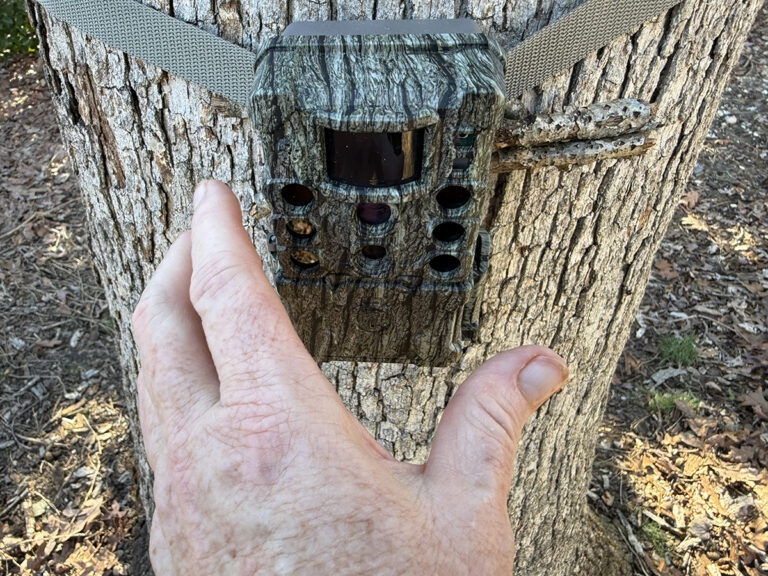
The success of these programs is evident in the changing attitudes of the younger generation of herders. Many now take more pride in capturing a clear image of a leopard on their smartphone or camera trap than they would in chasing it away. By addressing the economic reality of life on the plateau while honoring the traditional sanctity of all living things, Haxiu has created a global model for how humans and large carnivores can share a landscape—even when that landscape is as small as a single stone sheep pen.