The Time-Traveler’s Return: Crossing the International Date Line
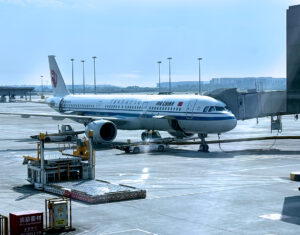
The journey from the humid basin of Chengdu back to the familiar skyline of New York City is more than a flight; it is a profound exercise in temporal distortion…

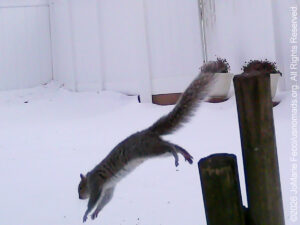
Before I depart for the Tibetan Plateau, I have to master a tool that is totally new to me: remote camera traps. While I plan to photograph with my big Nikon, the chance to capture the “Ghost of the Mountains” may actually come from a game camera that we place in a likely spot and leave behind while we head off to the next location. So I set out to learn how to use the tool to maximize our chances of getting decent imagery. But trail cams weren’t designed for “art photography,” and I needed to figure out how they work. That’s where the squirrel comes in. I decided to test the camera with the backyard wildlife.
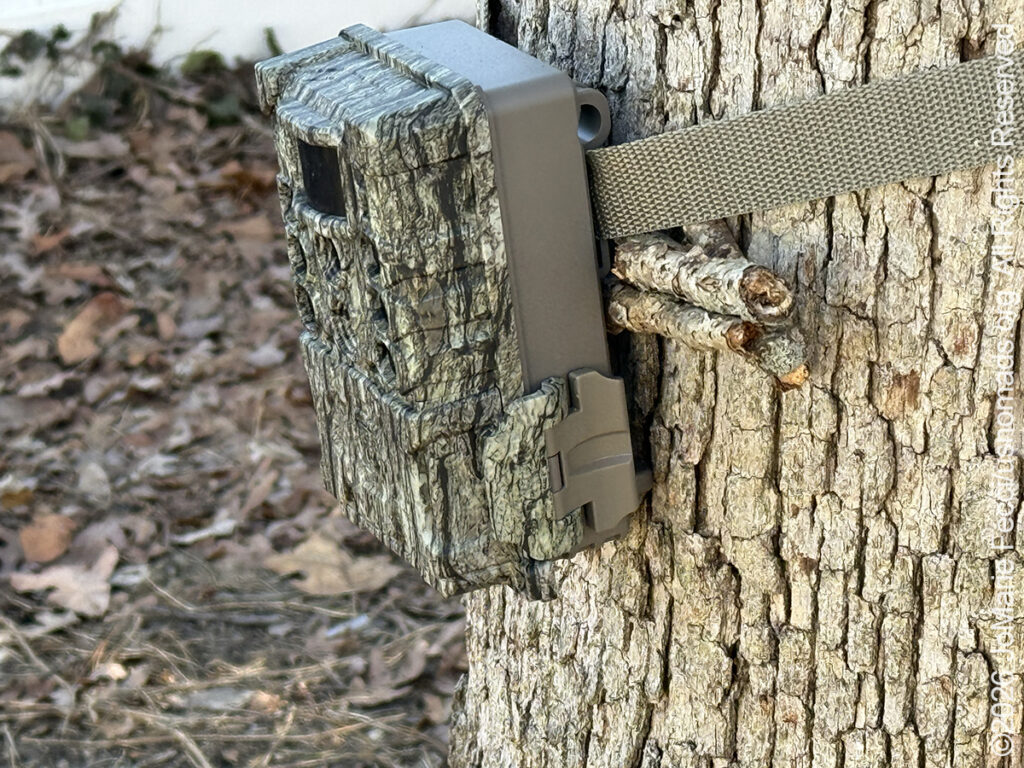 And my initial attempts were, frankly, a total disaster. My first mistake was height and framing. I placed the camera just inches off the ground to capture the squirrel on “his level.” I thought I would get a nice “low angle.” Instead, I got blurry close-ups of squirrels running over the lens — too close to focus, too fast to capture.
Then I moved the camera to a tree overlooking a squirrel feeder. It was far enough away from the feeder to allow it to focus and at about the same level as the feeder. That was my second mistake, the angle. Without angling the camera slightly down, I ended up with too much sky, not enough story. I saw the squirrel eating, but I lost the drama of it climbing up the pole or leaping away.
 Thanks to the squirrel, I now understand that to make potentially powerful imagery with a trail cam, I need to consider three things: angle, distance, and framing. The camera needs to be angled down, roughly 10-15 degrees, to capture the subject’s interaction with the landscape, not just a profile picture. I need to find the right distance for focus — too close, and it’s blurry; too far, and the subject is just a speck in the frame. Finally, I have to anticipate the subject’s movement and frame the shot to tell a story, imagine catching a snow leopard just as it emerges from a rock fissure.
I’m learning to think less like a photographer with a handheld telephoto lens I can adjust instantly, and more like a cinematographer setting up a shot in the field, predicting movement and composition before the subject even arrives. It’s technical, it’s frustrating, and it’s absolutely necessary in order to give this project the greatest chances of success.
The journey from the humid basin of Chengdu back to the familiar skyline of New York City is more than a flight; it is a profound exercise in temporal distortion…

The lowlands of Chengdu find their soul in the explosive, colorful, and lightning-fast world of Sichuan Opera…
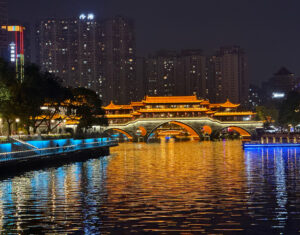
After the spiritual stillness of Yushu, Chengdu greets you with a vibrant, sensory-rich landing…
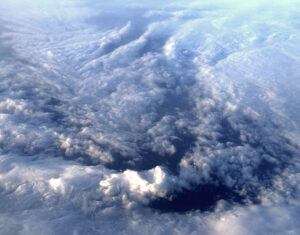
The transition from the Tibetan Plateau to the Sichuan Basin is one of the most dramatic environmental shifts on the planet…