
After the spiritual stillness of Yushu, Chengdu greets you with a vibrant, sensory-rich landing. This city is the undisputed capital of both conservation and cuisine, where the world’s most iconic bear and its most complex spice palette live side-by-side.
In the quiet, early hours of a Chengdu morning, the Chengdu Research Base of Giant Panda Breeding feels less like a research facility and more like a carefully curated segment of the wild. By 2026, the base has fully integrated its major expansion, spanning over 3 square kilometers of lush, rolling hills designed to mimic the high-altitude misty forests of the Longmen Mountains. Here, the pandas live in “villas”—large, open-air habitats that prioritize natural topography and social interaction. For the traveler just arriving from the high plateau of Yushu, the sight of these “national treasures” provides a gentle continuation of the mountain spirit, albeit in a more emerald and humid setting.
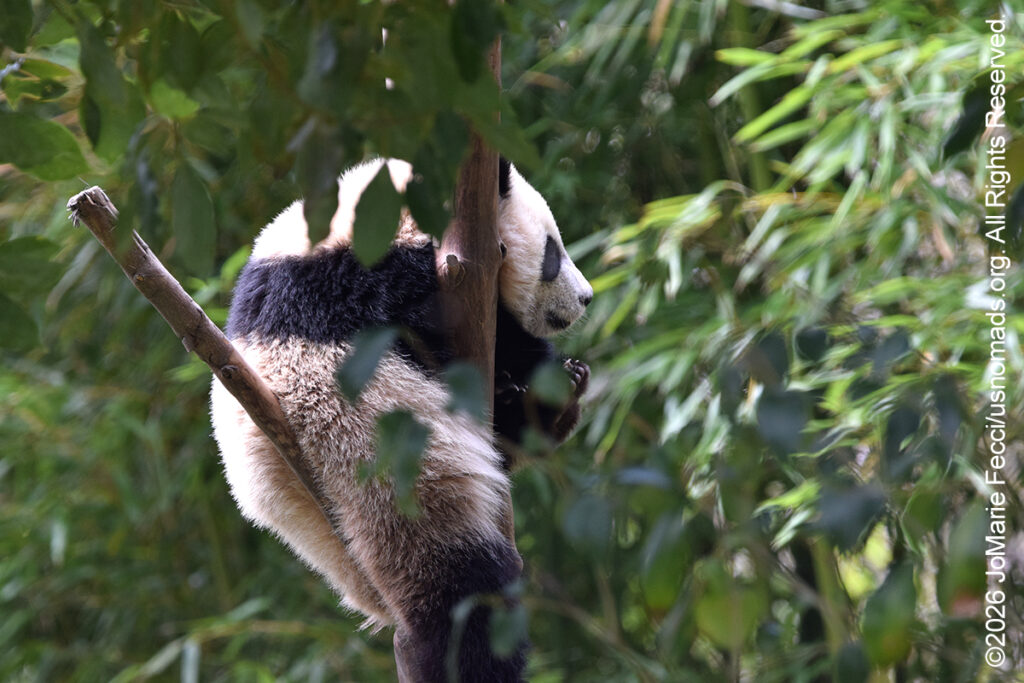 Observation is an art of timing. Between 7:30 AM and 10:00 AM, the enclosures are a flurry of activity as the pandas engage in their daily breakfast ritual. Watching an adult panda expertly strip a stalk of bamboo with its “pseudo-thumb” is a lesson in evolutionary specialization. These animals have adapted to a low-nutrient diet by adopting a philosophy of energy conservation, yet in the cool morning air, they are surprisingly agile—climbing wooden structures and tumbling through the grass. The 2026 season has been particularly fruitful for the base’s breeding program, with the Star Nursery currently hosting several four-month-old cubs that have recently begun their first clumsy explorations of the outdoor playgrounds.
Beyond the iconic black-and-white giants, the base serves as a critical refuge for the Red Panda, a smaller, rust-colored relative that shares this bamboo-rich niche. Often overlooked by the crowds, the red panda areas offer a more kinetic experience; these arboreal acrobats spend their mornings darting through the canopy with a nervous energy that contrasts with the stoic calm of the giant pandas. As you walk the winding, bamboo-lined paths, the base functions as a “living museum” of biodiversity. It bridges the gap between the wild populations currently thriving in the Giant Panda National Park and the urban public, reminding every visitor that the survival of these species is a delicate balance of high-tech science and the simple, ancient preservation of the forest.
In 2010, Chengdu achieved a global culinary milestone by becoming the first city in Asia to be recognized as a UNESCO City of Gastronomy. This designation was not merely a nod to the city’s famous spice, but a recognition of a culinary tradition that has evolved over 2,000 years into a highly sophisticated system of flavors. UNESCO highlighted Chengdu’s unique status as the cradle of Sichuan cuisine, noting that the city maintains a rare balance between large-scale food industrialization and the preservation of ancient, hand-crafted techniques. For the traveler returning from the rugged traditions of Yushu, this UNESCO status confirms that the street-side bowl of noodles in Chengdu is part of a protected global heritage.
The core of the UNESCO designation lies in the incredible diversity of the Sichuan flavor profile, famously summarized by the phrase “one dish, one shape, hundreds of dishes, hundreds of tastes.” While the world often associates the region solely with the numbing heat of the Sichuan peppercorn, the UNESCO-recognized tradition actually identifies 24 distinct flavor profiles. These range from the “Lychee flavor” (a delicate balance of sweet and sour) to the “Garlic paste flavor” and the complex “Five-spice” notes. This systematic approach to taste is what sets Sichuan cuisine apart; it is a culinary science where the heat is used as a foundation to elevate, rather than mask, the natural flavors of the ingredients.
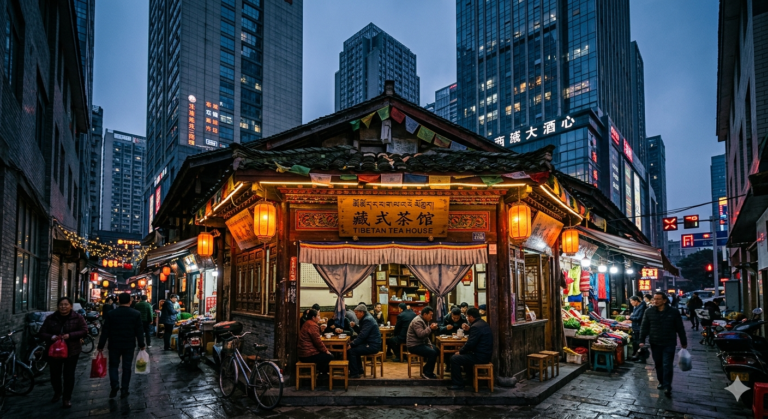
By 2026, this UNESCO status has fueled a massive movement toward “Culinary Sustainability” within the Sichuan Basin. The designation has protected dozens of traditional fermentation pits for Doubanjiang (broad bean chili paste), some of which have been in continuous use for over a century. It also ensures that the “Fly Restaurant” culture—the small, soul-filled eateries tucked into Chengdu’s old alleys—is viewed not just as low-cost dining, but as an essential cultural asset. This international recognition has transformed the act of eating in Chengdu into an immersive educational experience, where every meal serves as an entry point into the history, geography, and philosophy of the Sichuan people.
The Sichuan food scene in 2026 is defined by a “gentle transformation” where young chefs are blending traditional 24-flavor profiles with modern techniques. While a bubbling cauldron of spicy hot pot remains the quintessential communal ritual, the city now boasts 13 Michelin-starred establishments. Innovative spots like Restaurant Co- use 20-year-old sourdough starters and seasonal “wild mountain ingredients” like matsutake and termite mushrooms, bridging the gap between the rustic foraging of the high plateau and the refined tastes of the modern urbanite.
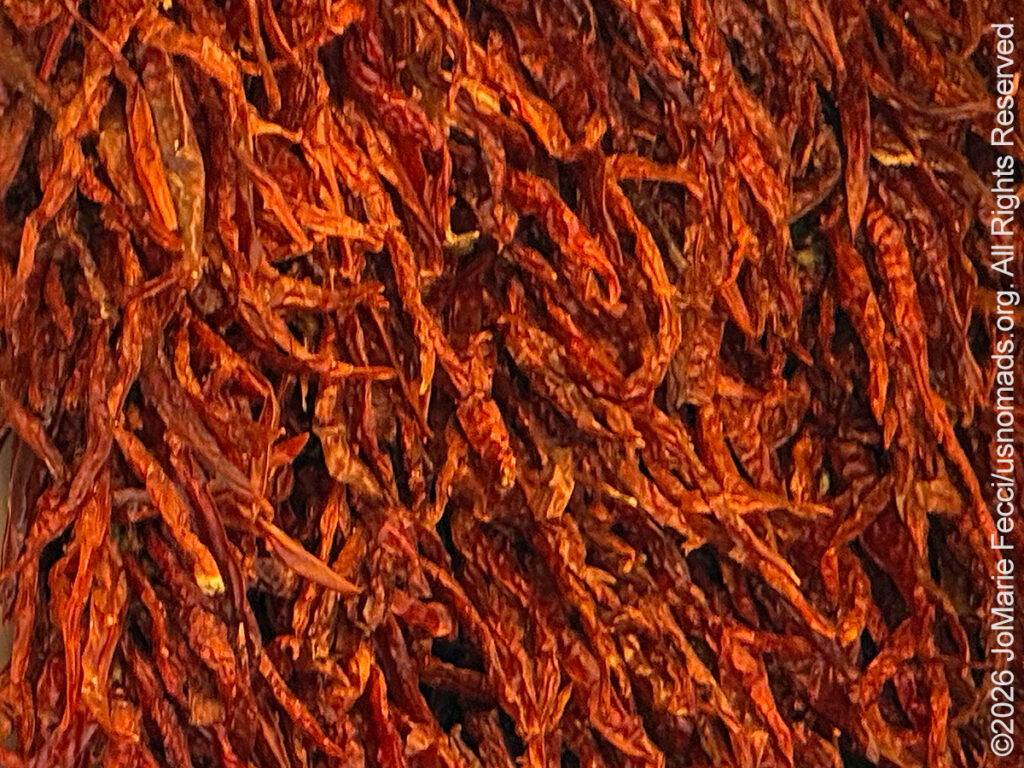
But the heart of Sichuan’s UNESCO-recognized culinary identity remains the philosophy of Ma La, a sensory duality that represents much more than simple “heat.” While many global cuisines utilize chili peppers for spice, Sichuan cuisine is unique in its structural use of the Sichuan peppercorn to create a physical vibration on the palate. This philosophy is built on the concept of balance; the Ma (numbing) and the La (spicy) are not meant to compete, but to create a symbiotic relationship that enhances the diner’s ability to perceive complex flavors.
The Ma component is derived from the Sichuan peppercorn (Zanthoxylum simulans), which is not actually a pepper but a citrus-family berry. Its primary active compound, hydroxy-alpha-sanshool, works by interacting with the somatosensory system rather than the taste buds. It creates a tactile sensation of “numbing” or “tingling” that oscillates at a frequency of approximately 50 Hz. This vibration essentially “shuts off” the pain receptors triggered by the chili peppers, allowing the diner to keep eating without being overwhelmed by the heat. This chemical interaction is a masterpiece of natural engineering, effectively resetting the palate with every bite.
The La component, provided by a variety of dried and fresh chilies, provides the warmth, color, and aromatic depth. In the Ma La philosophy, the heat is categorized into different “layers,” such as Xiang La (fragrant and spicy) or Xian La (fresh and spicy). The fat used in the cooking—often high-quality rapeseed oil or beef tallow—serves as the vehicle for these flavors, capturing the fat-soluble capsaicin and sanshool and coating the ingredients. This ensures that the flavor lingers, transforming a simple meal into a long-form sensory experience.
Beyond the chemistry, Ma La is a reflection of the Sichuanese spirit and the geography of the basin. The region is famously humid and misty, and traditional Chinese medicine suggests that the “heat” of the peppers and the “circulatory” effect of the peppercorns are essential for expelling dampness from the body. Consequently, the philosophy of Ma La is as much about wellness and environmental harmony as it is about gastronomy. It is a bold, defiant response to the heavy fog of the Sichuan Basin, providing a literal and figurative spark that defines the region’s zest for life.