
The Time-Traveler’s Return: Crossing the International Date Line
The journey from the humid basin of Chengdu back to the familiar skyline of New York City is more than a flight; it is a profound exercise in temporal distortion…

In a few weeks, I’ll be trading the concrete canyons of New York for the limestone karst of the Tibetan Plateau. And while I developed my route to enable a gradual acclimation to the high altitude conditions, the journey will include retracing a segment of one of the world’s most arduous and historically significant trade routes: The Tea Horse Road (Chamagudao). This “Road” was really a network of caravan paths winding through the mountains of Sichuan, Yunnan and Tibet. It is also sometimes referred to as the “Southern Silk Road” or “Southwest Silk Road.”
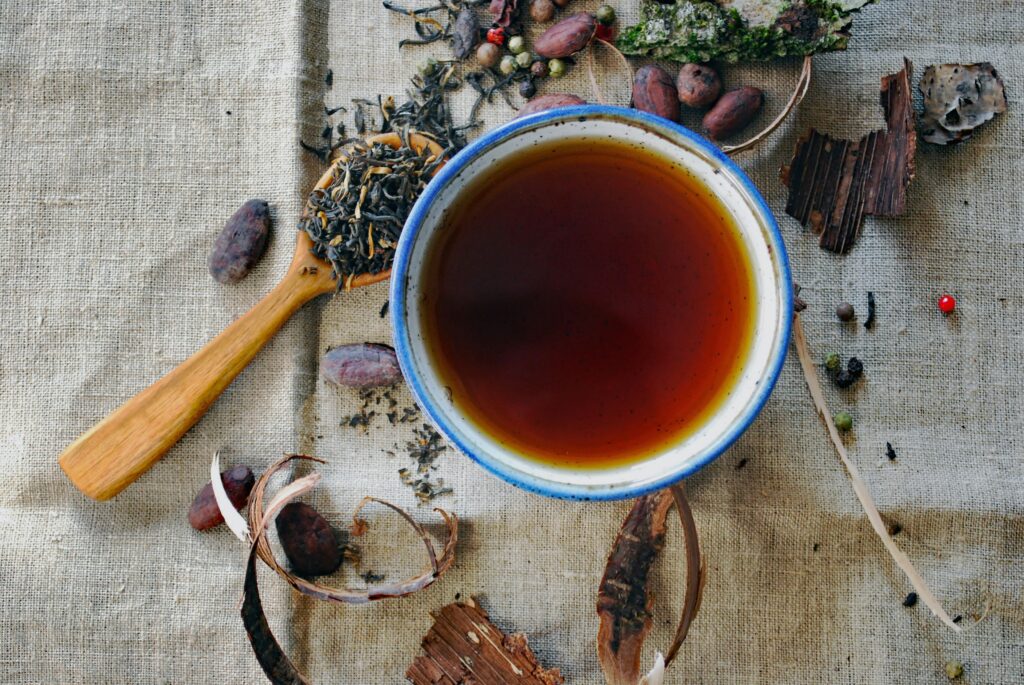 Starting in the 7th century and lasting until the mid-20th, this was not just a road; it was a lifeline. Stretching over 1,500 miles from the tea gardens of Yunnan and Sichuan, over the Himalayan passes, and into the heart of Lhasa, it was the path that connected the tea-drinking cultures of China with the horse-dependent cultures of Tibet. Sichuan and Yunnan are believed to be the first tea-producing regions in the world. The first records of tea cultivation suggest that tea was cultivated on Sichuan’s Mount Mengding between Chengdu and Ya’an earlier than 65 BC.
For the Tibetans, tea was not just a drink; it was a dietary necessity—a vital source of vitamins in a landscape where vegetables are scarce. They packed it with butter and salt, creating the high-energy “butter tea” that fuels life on the plateau today. In return, the Chinese needed the sturdy, sure-footed Tibetan horses for their armies to defend the frontier.
As I prepare my gear for the modern-day trip, I am struck by the stark contrast between then and now. The caravans took months to navigate the terrifying Zheluo (the deep, turbulent river gorges) and the oxygen-starved passes over 16,000 feet. Today, our journey will take days, riding in modern 4x4s rather than on the back of a pack mule.
Yet, the history is still palpable. I am looking forward to seeing some of the ancient caravanserais—the “inns” where travelers rested—and the mani stones that still mark the dangerous segments of the trail. These stones are sacred, hand-carved stones, that also serve as navigational markers along pilgrimage routes. They are stacked into walls, cairns, or mounds to offer blessings, honor local spirits, and ensure safe passage.
Following the Tea Horse Road isn’t just about getting from Chengdu to Yushu; it’s about acknowledging the sheer resilience of the people who inhabited this frontier.
The journey from the humid basin of Chengdu back to the familiar skyline of New York City is more than a flight; it is a profound exercise in temporal distortion…

The lowlands of Chengdu find their soul in the explosive, colorful, and lightning-fast world of Sichuan Opera…

After the spiritual stillness of Yushu, Chengdu greets you with a vibrant, sensory-rich landing…

The transition from the Tibetan Plateau to the Sichuan Basin is one of the most dramatic environmental shifts on the planet…