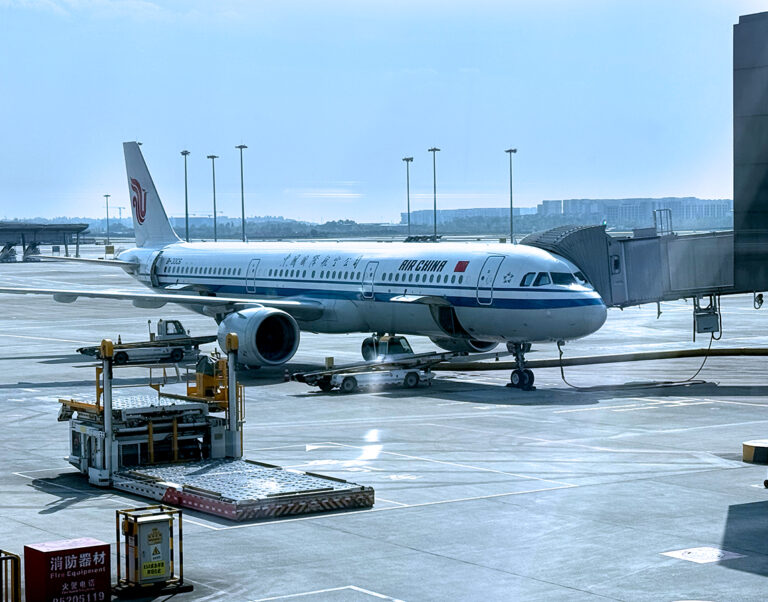
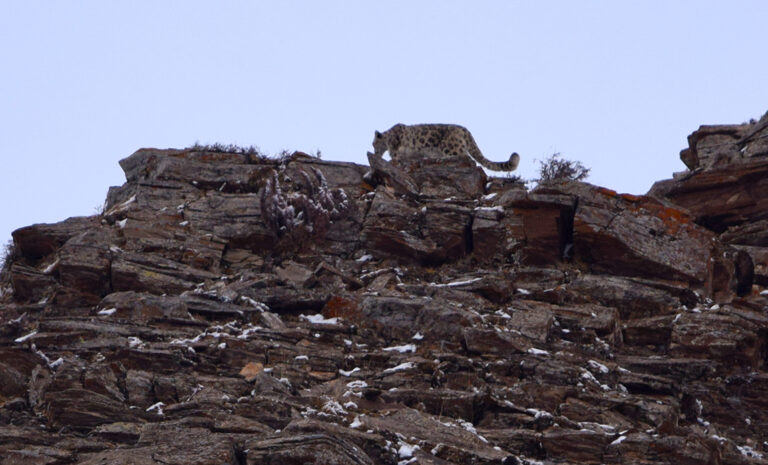
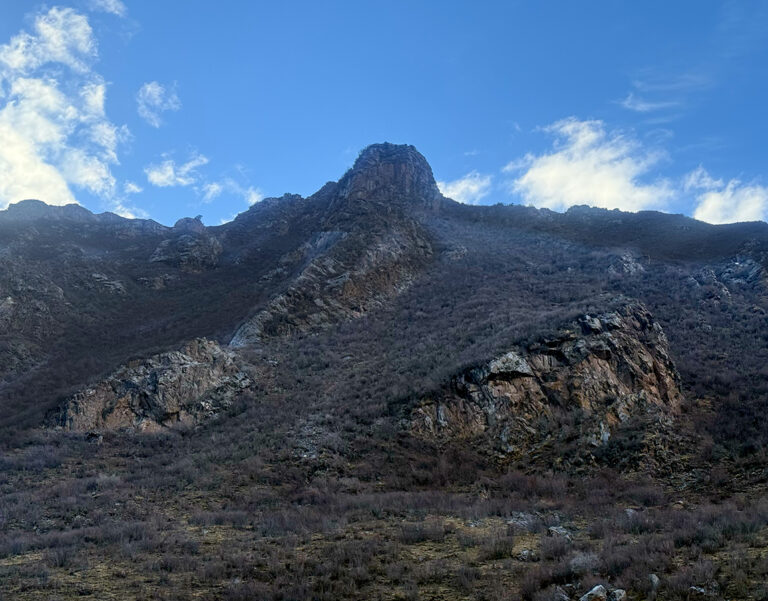
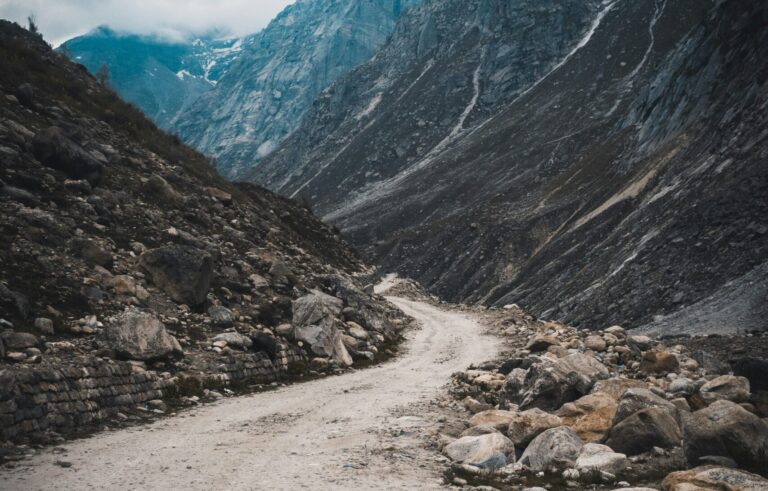
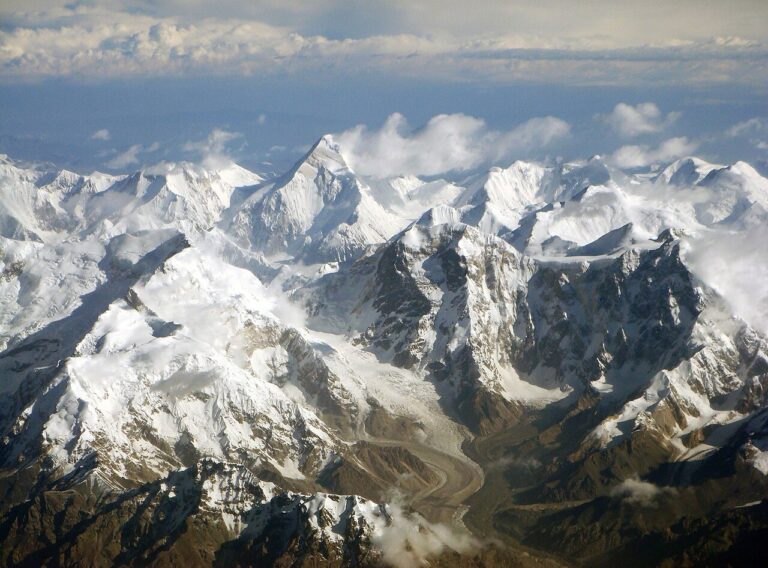
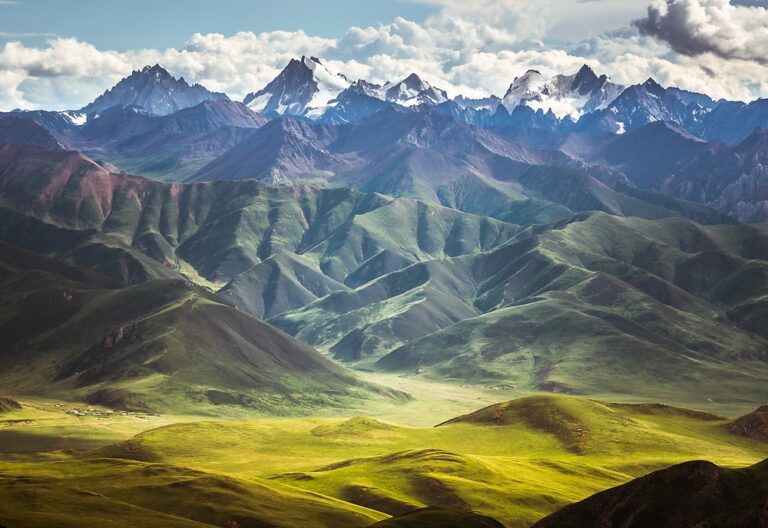
The transition from the Tibetan Plateau to the Sichuan Basin is one of the most dramatic environmental shifts on the planet. As the flight departs from Yushu Batang Airport, situated at a staggering 3,700 meters (12,139 feet) above sea level, the landscape is a minimalist masterpiece of snow-dusted peaks and deep-blue shadows. However, as the aircraft begins its descent toward Chengdu, the “Roof of the World” gives way to a dense, emerald-green basin shrouded in low-hanging clouds and humidity.
The most immediate change is physiological. Descending to Chengdu’s elevation of roughly 500 meters (1,640 feet) results in a surge of atmospheric pressure. This transition increases the amount of available oxygen by nearly 40% compared to the thin air of the plateau. For a traveler who has spent time acclimating to the heights of Haxiu and Yushu, this sudden abundance of oxygen often triggers a literal “oxygen high.” The heart rate slows, the slight pressure behind the eyes dissipates, and a sudden, buoyant sense of physical energy washes over the body as the cells are flooded with a richness of air they haven’t tasted in days.
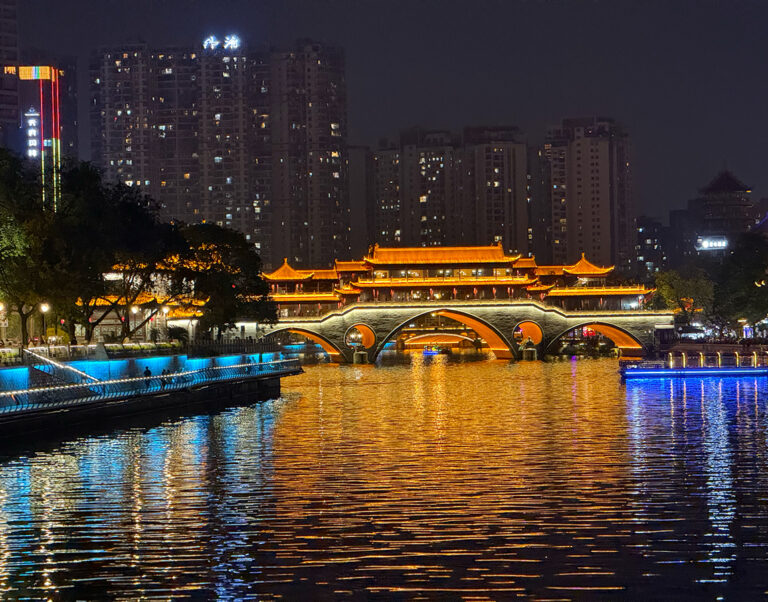
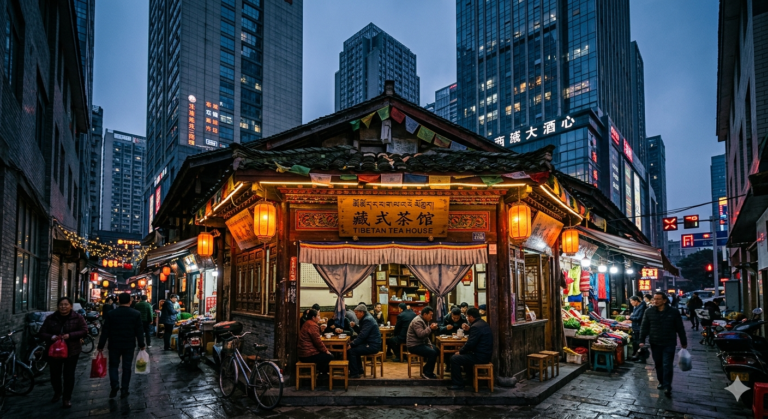
However, this physical euphoria is quickly met by a profound sensory shock. Stepping out of the airport in Chengdu, the silent, crystalline clarity of the plateau is replaced by the roar of a modern megacity. The thin, dry wind of the mountains is swapped for the heavy, fragrant air of the basin, thick with the scent of Sichuan pepper, exhaust, and the humidity of a subtropical climate. The visual landscape undergoes an equally jarring shift: the infinite horizontal lines of the grasslands and the vertical spires of the karst towers are replaced by a dense grid of steel, glass, and neon.
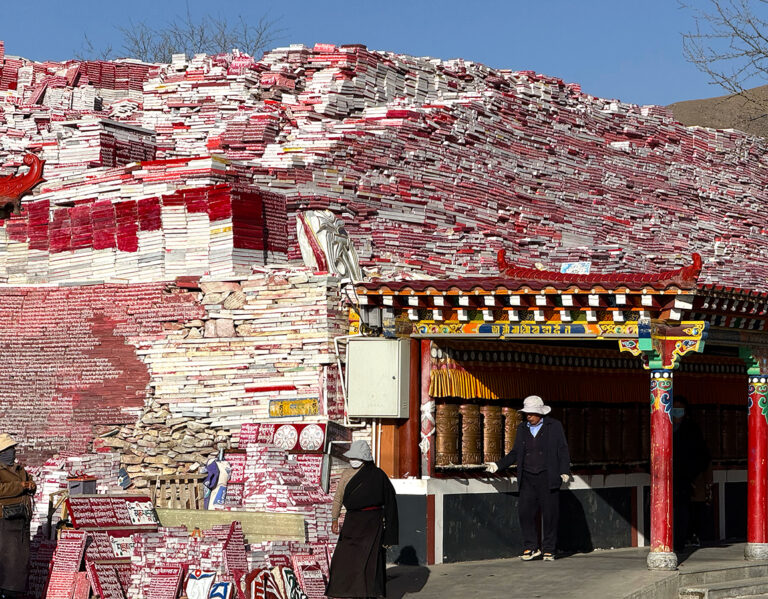
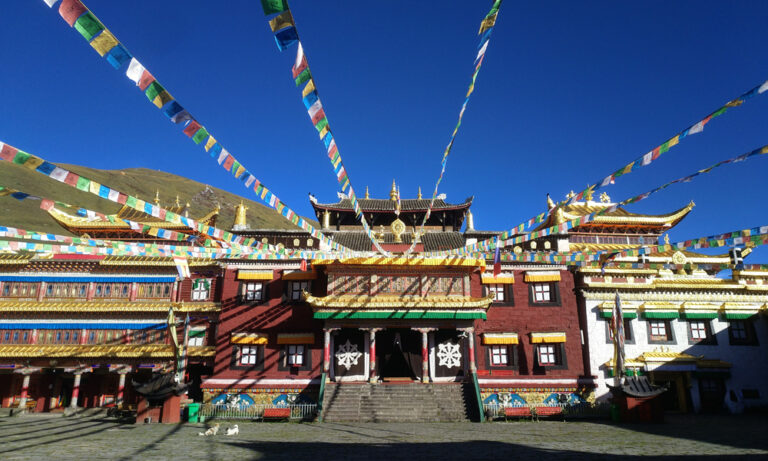
The return to the urban environment also signals a shift in the perception of time. In Yushu, time is governed by the sun’s movement over the prayer stones and the rhythmic pace of the caravan trails. In Chengdu, the pace is dictated by the digital pulse of high-speed rail, bustling shopping districts, and the constant flow of over 20 million people. The traveler, still carrying the dust of the Mani Stone City on their boots, often feels like a temporal outlier—an inhabitant of two worlds trying to reconcile the timelessness of the high plateau with the relentless forward motion of modern China.