In the high-altitude, oxygen-thin environment of the Tibetan Plateau, survival is an art form dictated by nutrition. For the Tibetan people, this survival is anchored by two quintessential staples: Tsampa (roasted barley flour) and Po Cha (butter tea). More than just dietary requirements, these two items form the bedrock of Tibetan hospitality, religious ritual, and cultural identity. Together, they provide the high-calorie energy and warmth necessary to endure one of the harshest climates on Earth.
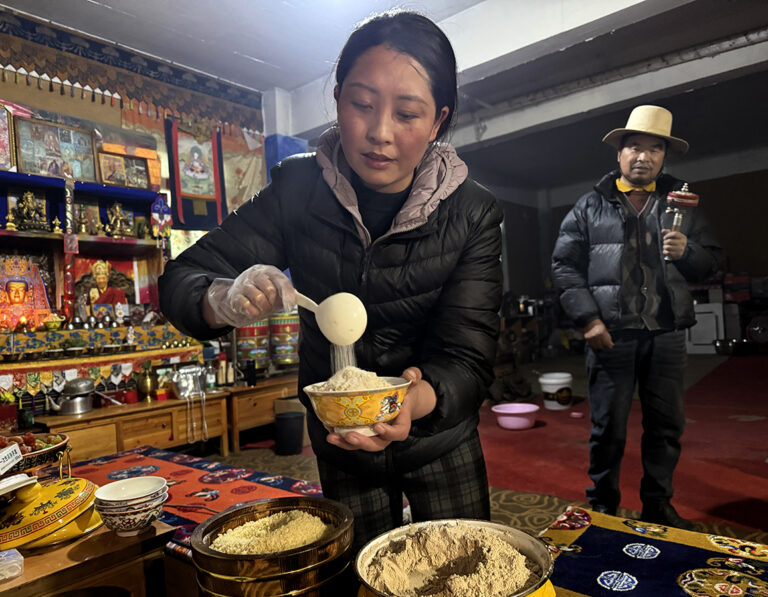
Tsampa is perhaps the most iconic element of the Tibetan diet. Made from highland barley that is roasted and then ground into a fine flour, it has sustained the population for thousands of years. Its beauty lies in its portability and versatility; because the barley is pre-roasted, it does not require further cooking. To eat it, a person typically puts a portion of flour into a bowl, adds a splash of butter tea, a bit of dried yak cheese (chura kampo), and perhaps a pat of fresh butter. Using the fingers, the mixture is kneaded into dense, nutty dough balls known as pa or bamba.
Beyond its role as a meal, Tsampa is deeply intertwined with the sacred. In Buddhist rituals, the flour is tossed into the air as an offering to the deities, a practice known as lhagyal, symbolizing purity and prosperity. It is a food that follows a Tibetan from birth to death, serving as a constant reminder of the land’s resilience. Because barley is one of the few crops capable of thriving in the thin soil and cold temperatures of the plateau, it is revered as a life-giving gift from the mountains.
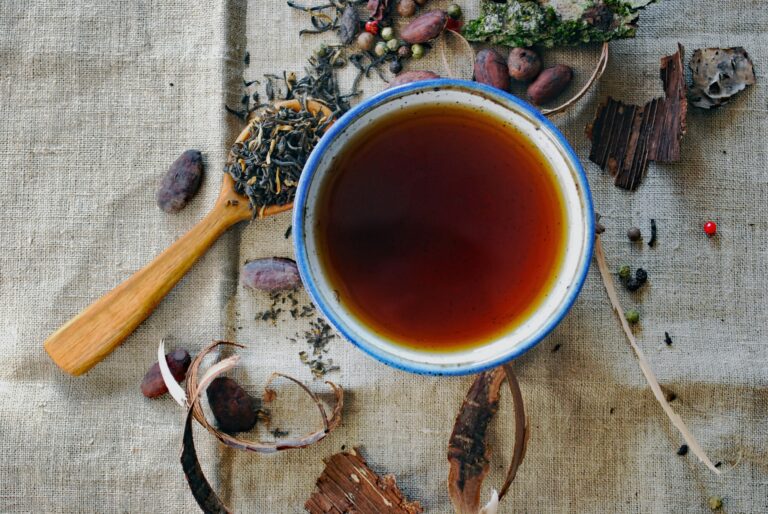
Accompanying every bowl of Tsampa is the ubiquitous Po Cha, or butter tea. This isn’t the sweet tea found in the West; it is a savory, soup-like beverage made by boiling fermented tea leaves (often from Pemagul) for hours to create a potent concentrate. This liquid is then poured into a wooden churn with a generous amount of yak butter and salt. The resulting emulsion is nutrient-dense and high in fat, which is vital for maintaining body temperature and preventing the chapped lips and dehydration common at high altitudes.
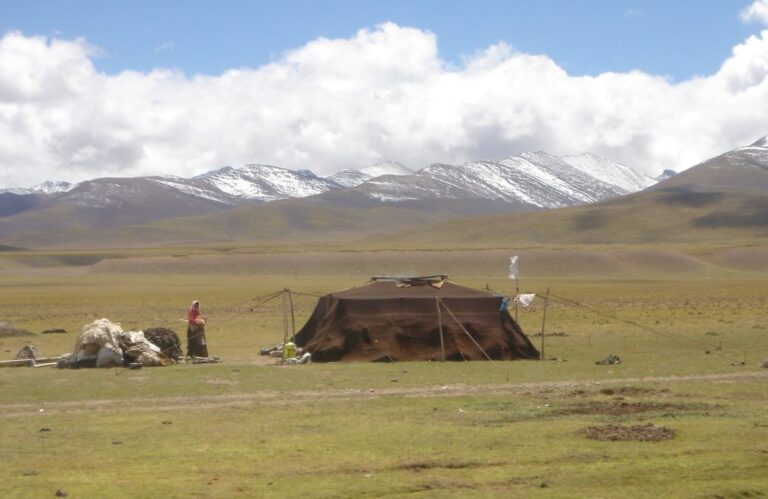
In Tibetan society, butter tea is the ultimate symbol of hospitality. It is served continuously throughout the day, and etiquette dictates that a host must never let a guest’s bowl sit empty. A guest typically drinks in small, separate sips, and after each sip, the host immediately refills the bowl to the brim. Whether shared in a nomad’s tent or a monastery’s kitchen, the rhythmic sound of the tea churn and the nutty aroma of roasting barley remain the heartbeat of Tibetan daily life.
The Ritual of the Morning Bowl: A Guide to Tibetan Tsampa
To the uninitiated, a bowl of Tsampa might look like a simple pile of flour, but to a Tibetan, it is a canvas for a perfectly balanced meal. Eating Tsampa is an interactive process—a tactile ritual that combines the warmth of the tea with the hearty, roasted flavor of the highland barley. Because the barley is pre-roasted, the “cooking” happens right in your hand.
Step 1: The Foundation: The process begins with a clean, traditionally carved wooden bowl. You start by pouring a small amount of Po Cha (butter tea) into the bottom. It is important not to overfill the bowl; the tea acts as the binding agent, not the main volume. At this stage, many Tibetans add a few small pieces of chura kampo (dried yak cheese) and a pat of fresh, yellow yak butter to increase the calorie count and add a savory richness.
Step 2: Adding the Flour: Next, several spoonfuls of the roasted barley flour are heaped on top of the liquid. The flour is fine and nutty, smelling slightly like toasted popcorn. A common mistake for beginners is to use too much tea, which results in a runny porridge rather than the desired dough. The goal is to create a consistency that can be easily shaped and held.
Step 3: The Kneading (The “Pa” Technique): This is the most skillful part of the ritual. Using your dominant hand—typically just the fingertips—you gently press the flour into the tea. You rotate the bowl with your other hand, slowly working the dry flour into the liquid until a thick, uniform paste begins to form. Once the mixture is no longer dusty, you knead it against the side of the bowl until it becomes a dense, pliable dough ball known as Pa.
Step 4: Consumption and Etiquette: Once the dough is formed, you break off small pieces with your fingers and eat them. The flavor is earthy, slightly salty from the tea, and incredibly filling. Between bites, it is customary to sip more butter tea. If you are a guest, remember the “Refill Rule”: never drain your tea bowl completely unless you are finished for the day. Your host will likely top it off after every few sips to ensure you stay warm and energized.