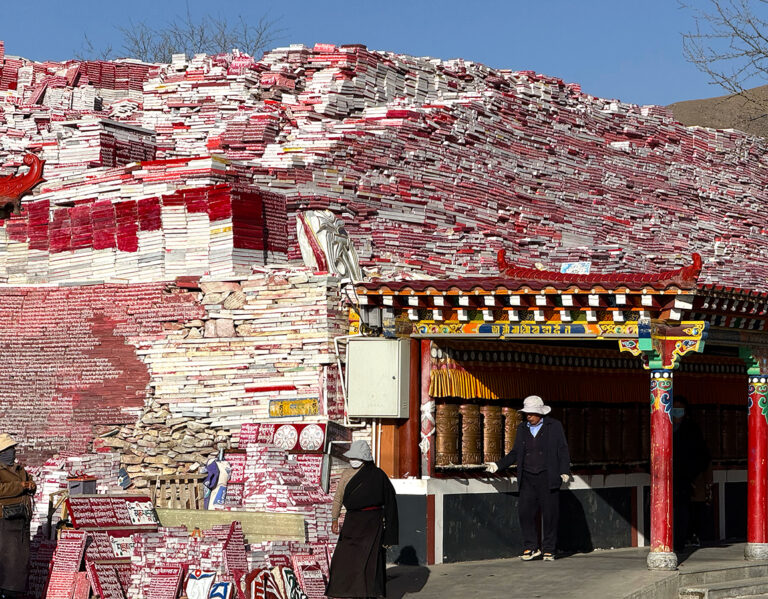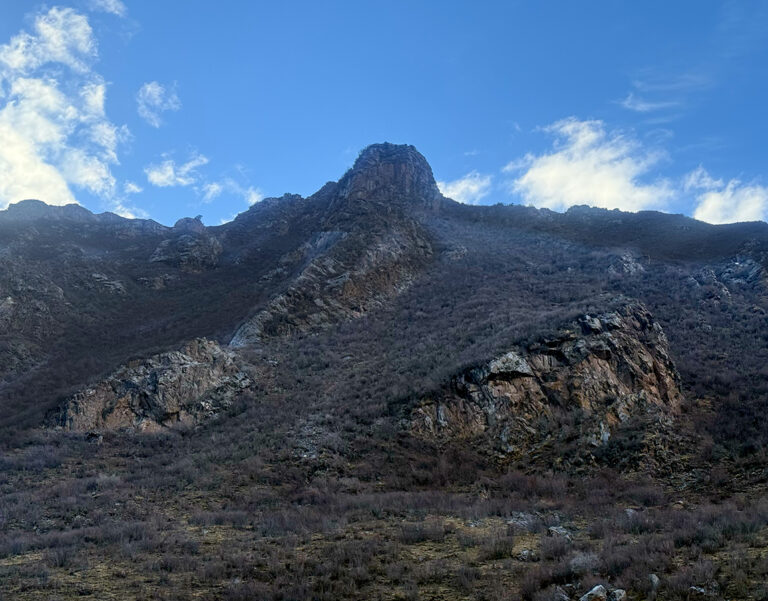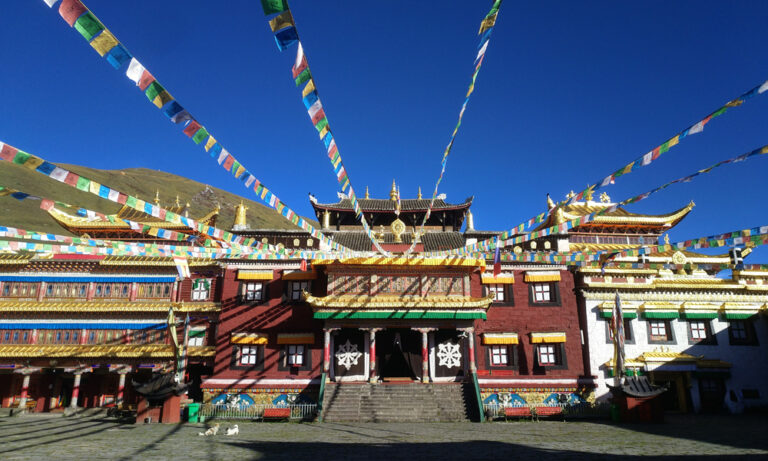

High in the rugged mountains of the Kham region, in what is now Sichuan’s Garzê Prefecture, stands a crimson-walled structure that serves as the literal storehouse of Tibetan civilization. Founded in 1729 by King Tenpa Tsering, the Derge Parkhang, or Derge Sutra Printing House, is not a dusty museum or a silent library — it is a vibrant, “living” institution that has produced sacred texts and intricate art using the same manual methods for nearly three centuries.
The Derge Parkhang is globally renowned as the largest repository of Tibetan woodblocks in existence. Its narrow, dimly lit corridors house an astonishing collection of over 300,000 hand-carved blocks. These blocks contain the definitive editions of the Kanjur (the words of the Buddha) and the Tanjur (the commentaries), alongside vast works of literature, history, and traditional medicine. Of the three major historic Tibetan printing centers, Derge is the only one to have survived into the modern era with its operations and original blocks largely intact. The significance of this collection cannot be overstated; because these blocks represent the most accurate and complete versions of Tibetan classical literature, the facility has been recognized by UNESCO’s Memory of the World Programme.
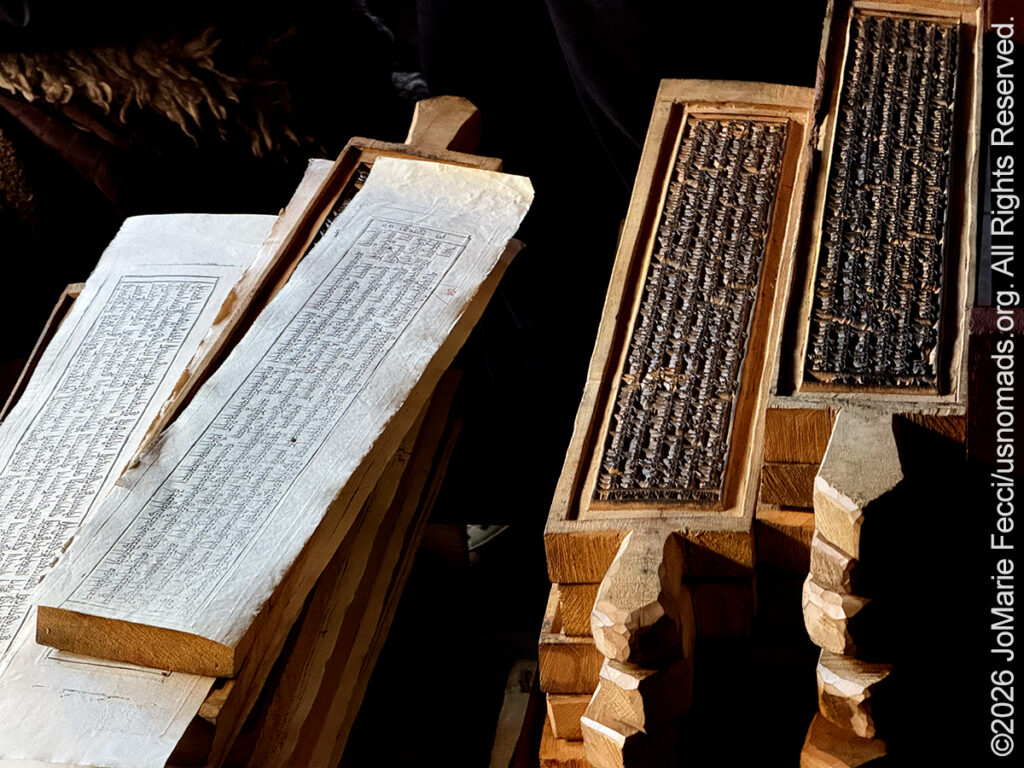
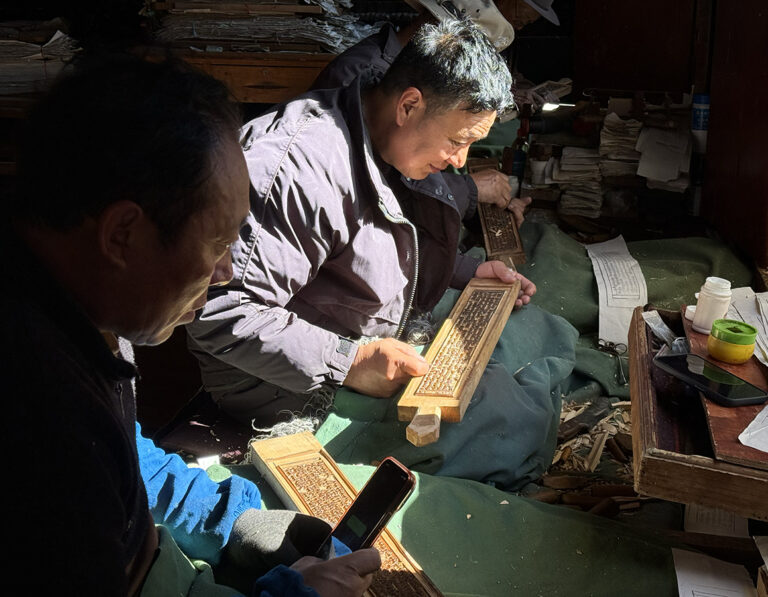
What makes the Derge Parkhang truly remarkable is its commitment to tradition, as the printing process remains entirely manual and functions without the use of electricity. The work is governed by the sun, with printers beginning their labor at dawn and ceasing at dusk, relying on natural light to navigate the maze of shelves. The process begins with expert carvers who spend months delicately inscribing Tibetan script onto blocks made of durable birch wood. Once a block is ready, it is prepared with a specialized ink made of soot and glue.
The actual printing is a masterpiece of rhythmic, high-speed harmony performed by teams of two workers. While one worker applies the ink to the block, the other skillfully rolls a sheet of handmade paper over the surface. This synchronized movement is so efficient that a seasoned pair can produce up to 2,500 pages in a single day. The paper itself is often made from the root of the Stellera chamaejasme plant, which is naturally toxic to insects, ensuring the books remain preserved for centuries without being eaten by pests.
The existence of this monumental institution is thanks to the political savvy and cultural devotion of Tenpa Tsering, the 12th King of Derge. Ruling during the early 18th century, he transformed his kingdom into the cultural heart of Kham. Unlike other rulers who focused solely on military conquest, Tenpa Tsering recognized that the survival of Tibetan identity depended on the preservation of its literature. By inviting scholars from various Buddhist lineages—including the Sakya, Kagyu, and Nyingma—he ensured that the Parkhang remained a non-sectarian “neutral ground” for knowledge. This inclusivity allowed the library to collect rare manuscripts that might have otherwise been lost to sectarian conflicts, turning a small mountain kingdom into a global beacon of Himalayan scholarship.
The longevity of the Derge collection is no accident; it is the result of local botanical knowledge. The ink is derived from the soot of burnt high-altitude pines mixed with a natural glue, creating a deep, fade-resistant black. The handmade paper is thick and fibrous, capable of absorbing the heavy ink without tearing. This combination of toxic-root paper and mineral-based ink has allowed the 300,000 blocks and their printed offspring to survive the damp mountain air and the passage of centuries.