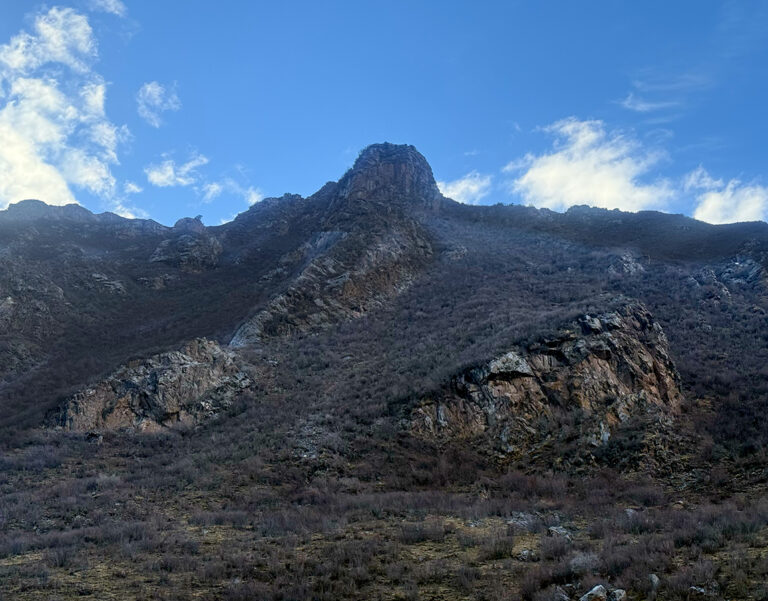
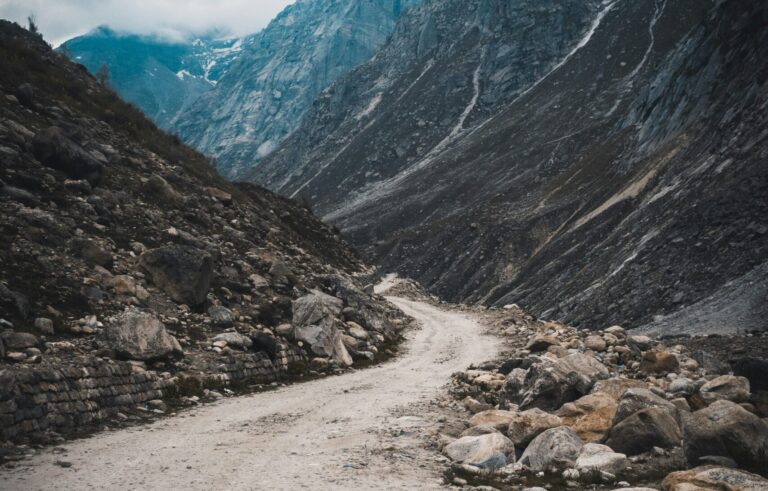
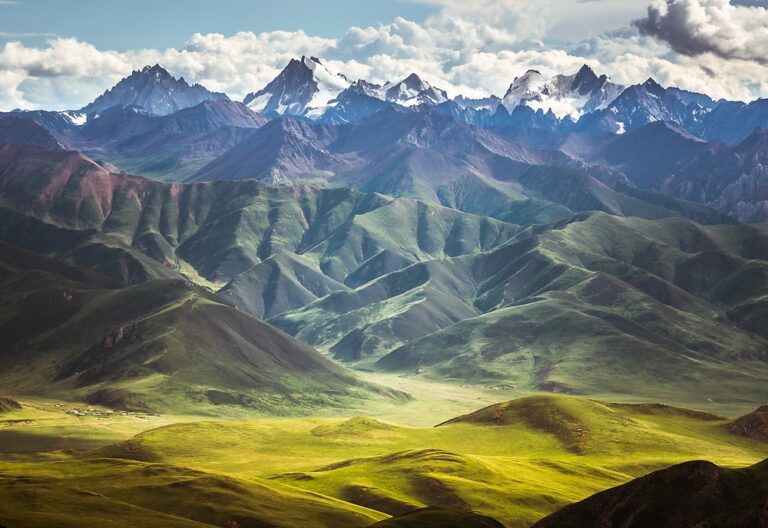
Deep within the rugged, vertical landscapes of Sichuan’s Ngawa and Garzê Prefectures lies the homeland of the Gyarong Tibetans. While officially grouped under the Tibetan nationality by the Chinese government, this population of approximately 120,000 to 300,000 people maintains a fiercely distinct identity. Residing primarily in the lush, deep valleys of the Dadu River, they are a people defined by the dramatic geography of Western Sichuan rather than the high, windswept plateaus associated with Central Tibet. Daily life in these lower valleys is centered on a stable agricultural economy. The temperate climate allows for productive farming, which stands in contrast to the pastoralism found elsewhere in the Tibetan world.
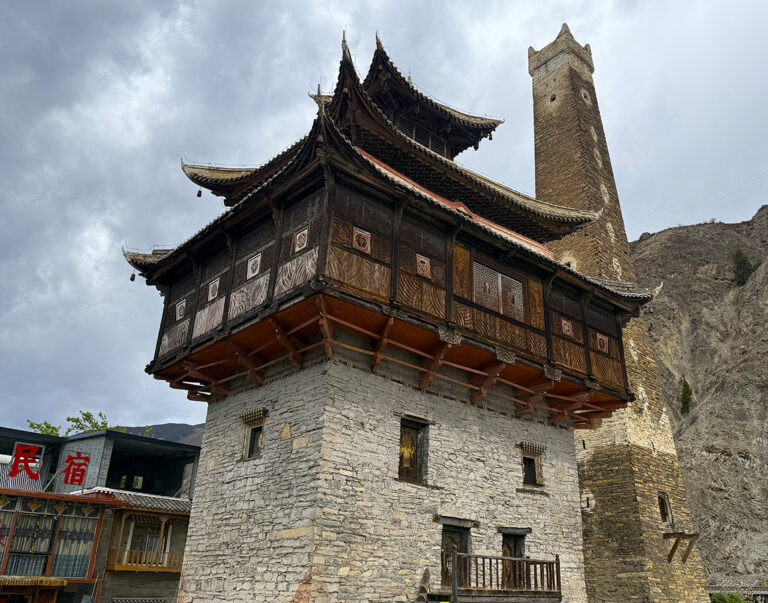
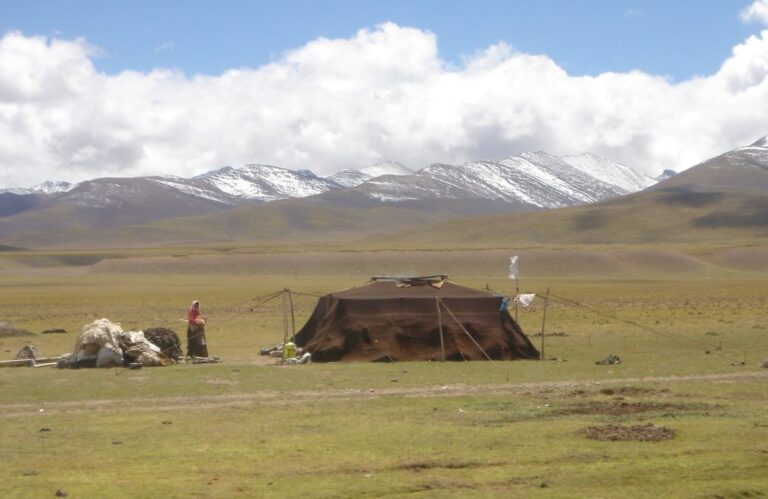
The most striking feature of Gyarong culture is their mastery of stone architecture. Unlike the nomadic tent-dwellers of the highlands, the Gyarong are sedentary builders who have constructed sophisticated, multi-storied stone houses that often rise three stories or more. In many villages, these structures are accompanied by ancient, tapering defensive watchtowers. These tall stone pillars were historically used for communication and protection, standing as a testament to the region’s strategic importance. Jiaju Village, located near Danba, remains the most iconic example of this style, featuring 270 traditional houses scattered across the emerald slopes beneath the 20,000 ft. peaks of Mt. Siguniang.
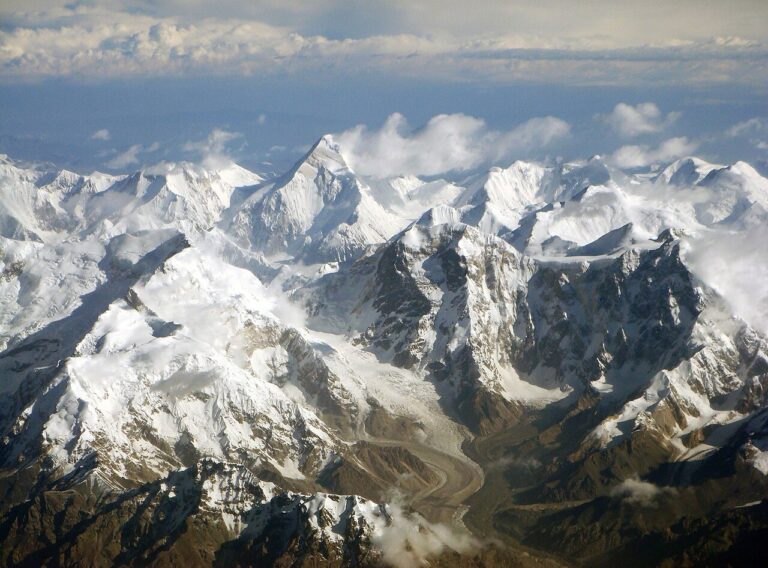
Mt. Siguniang, or “Four Sisters Mountain”, is the anchor of the Gyarong’s spiritual and ecological world. It is the second-highest mountain in Sichuan and acts as a majestic wall between the warm Sichuan Basin and the high Tibetan Plateau. The mountain’s importance to the Gyarong is woven into a tragic legend. The local tradition says the four peaks were originally four beautiful sisters who were the daughters of a mountain god named Sigra. To protect their people and their land from a powerful, bloodthirsty demon, the sisters sacrificed themselves. They turned into four towering peaks to imprison the demon beneath them forever. The youngest sister, Yaomei, was the bravest and most beautiful, which is why her peak is the tallest and most dazzlingly white with snow.
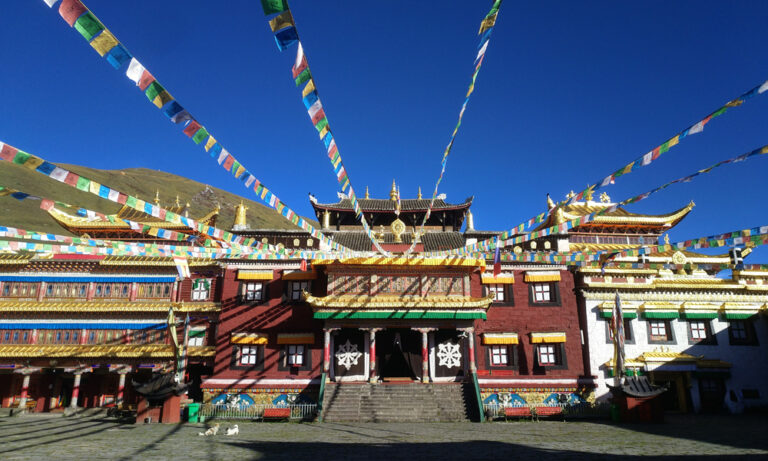
A unique political and linguistic history has created a strong sense of regional identity for the Gyarong. They refer to themselves as Keru and speak a variety of languages belonging to the Gyarongic branch of the Sino-Tibetan family, which are distinct from Standard Tibetan. For centuries, the region was governed not by a central authority in Lhasa, but by 18 local chiefs, or Tusi, who ruled their respective valleys as independent kingdoms. This history of autonomy has preserved a specific cultural fabric where approximately 90% of the population practices Tibetan Buddhism, while a significant minority continues to follow Bon, the indigenous, pre-Buddhist religion of the area.
Central to the Gyarong identity is the region’s poetic designation as the “Queens Valley.” The name is a literal translation of rGyal-mo Tsha-ba Rong, meaning the “Warm Valley of the Queen.” This name is more than just a geographical marker; it points to a fascinating matriarchal legacy. Historical records from the Tang Dynasty describe an ancient “Eastern Queendom” (Dongnvguo) located in these very mountains, where women held the highest positions of power and lineage was traced through the mother.
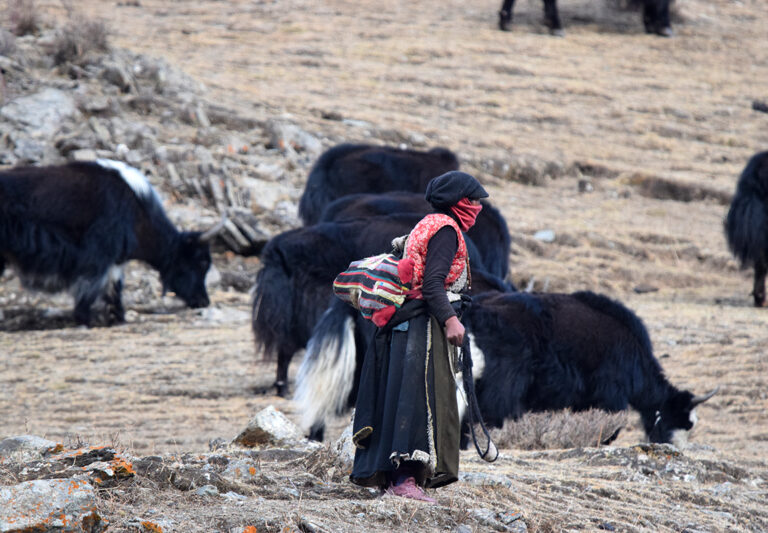
This matriarchal heritage has evolved into the modern-day reputation of Danba as the “Valley of Beauties.” Local lore suggests that the women of the Gyarong valleys are the descendants of the ancient queens and noblewomen of the lost queendom. This pride is on full display during the annual Gyarong Beauty Festival, where women adorn themselves in elaborate traditional clothing—including their signature dual aprons and brightly decorated headscarves—to celebrate their heritage. It is a vibrant reminder that while the political “Queendom” may be a thing of the past, its cultural and aesthetic influence remains a cornerstone of Gyarong life.