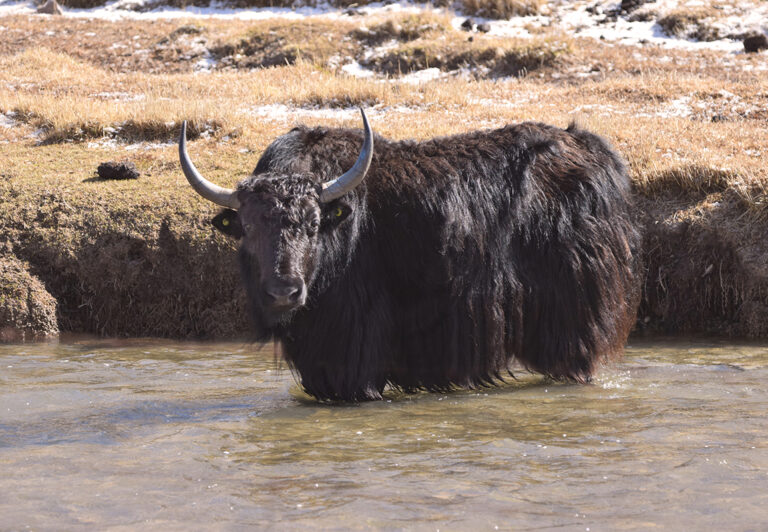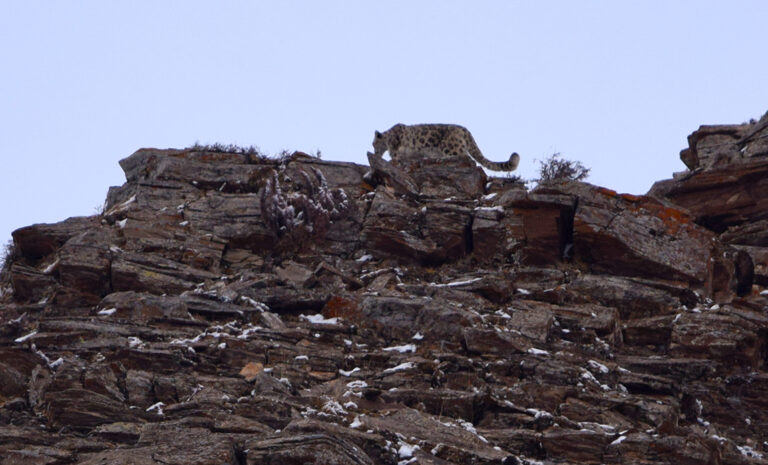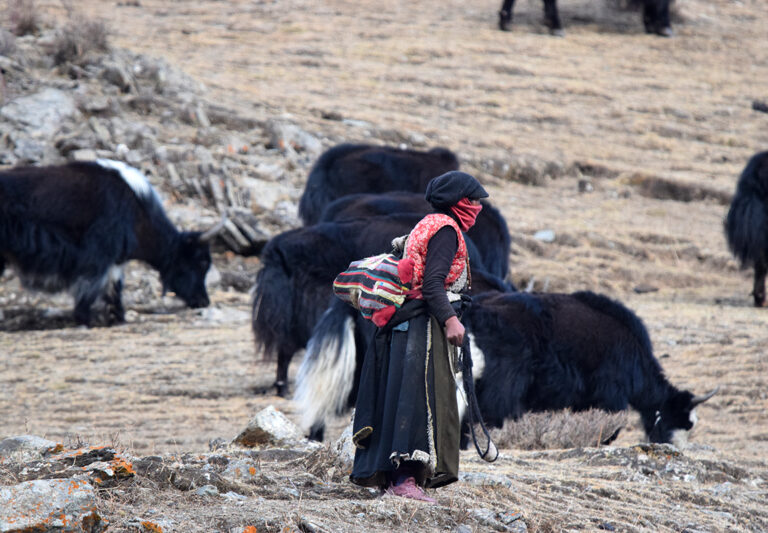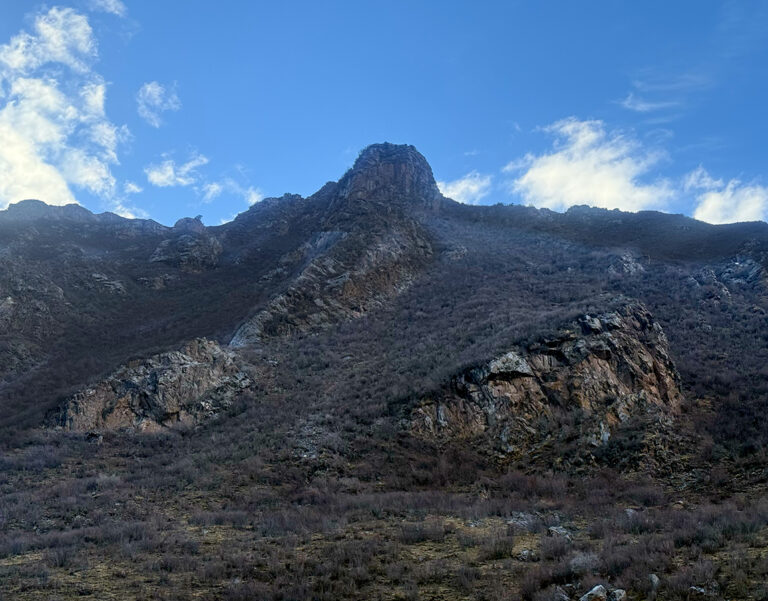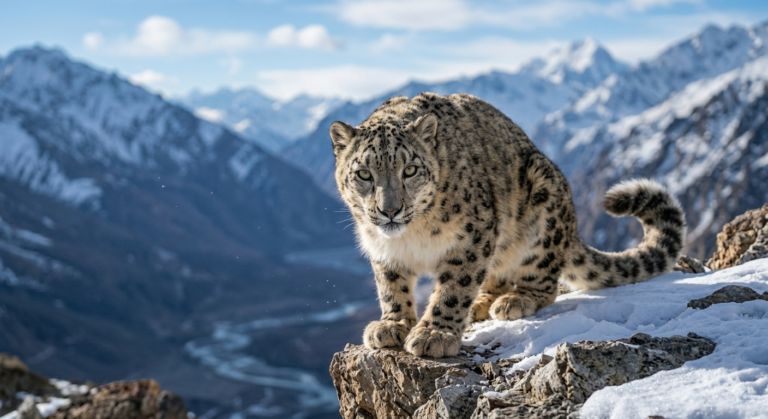

In the jagged gray world of the Haxiu karst towers, the snow leopard is more than just a predator; it is a “keystone species” that unites modern science with ancient tradition. While the limestone spires provide the perfect camouflage for these elusive cats, the true success of their survival in the Yushu region is due to a groundbreaking partnership between conservationists, Buddhist monasteries, and local Tibetan herders.
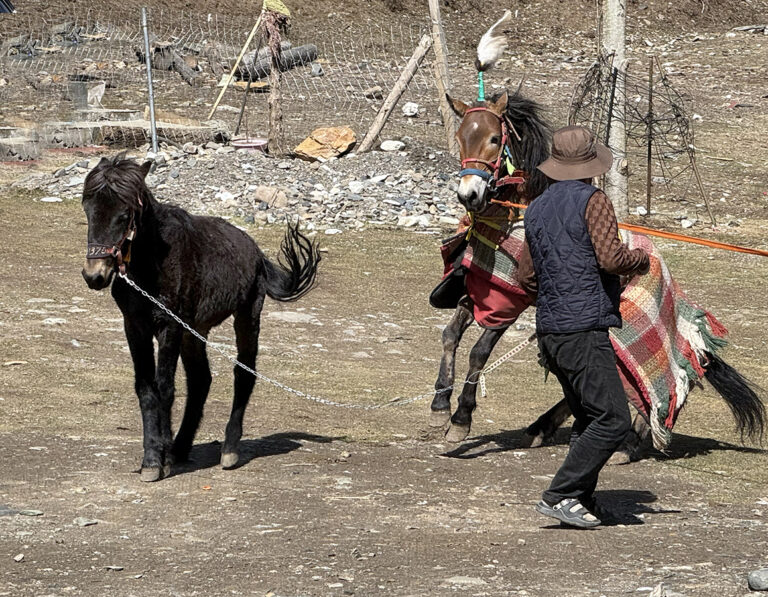
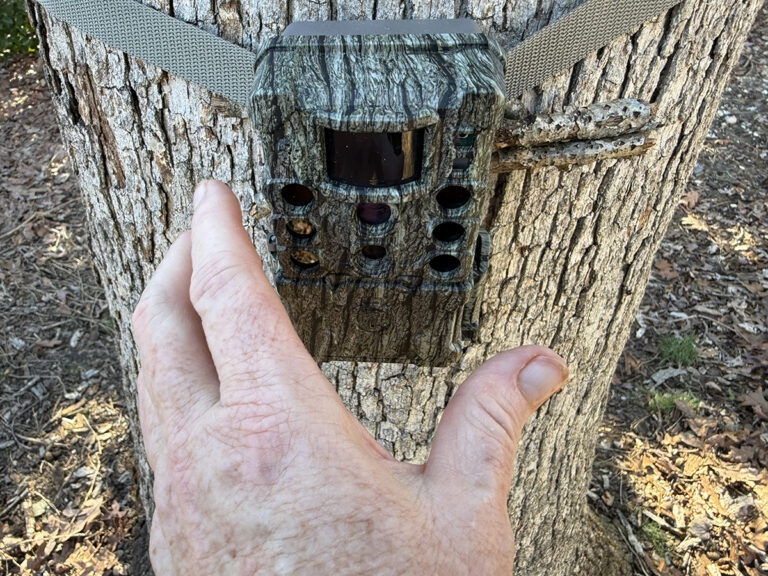
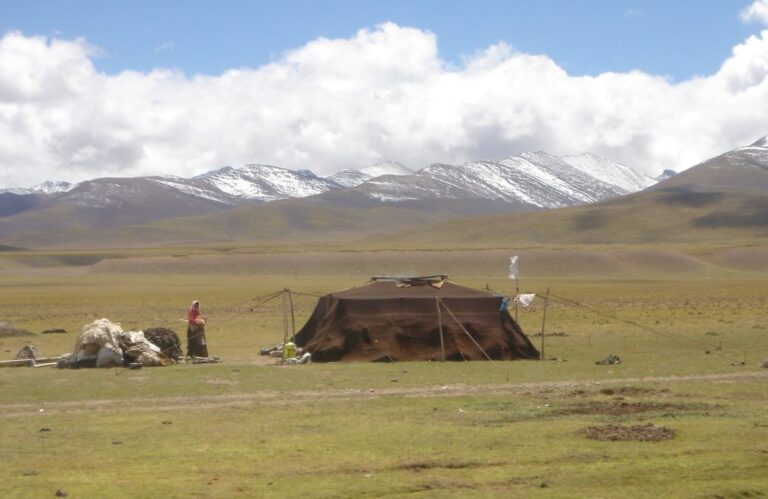
For centuries, the people of the plateau have lived alongside the snow leopard, but recent decades have seen a shift from passive coexistence to active protection. Organizations like the Shan Shui Conservation Center, in partnership with the Snow Leopard Trust and Peking University, have pioneered “community-based conservation” programs in the Sanjiangyuan area. In Haxiu and neighboring townships, the local residents — once viewed merely as nomadic herders — have been retrained as “citizen scientists.” These herders use their intimate knowledge of the rugged terrain to identify the best locations for motion-activated camera traps, often placing them at “scrape sites” and marking points that an outside researcher might never find.

The role of the Buddhist monasteries is perhaps the most unique element of this conservation model. In the Tibetan worldview, all life is sacred, and many monasteries in the Yushu area have become formal partners in wildlife monitoring. High-ranking monks and Lamas often speak about the spiritual value of the snow leopard during religious convocations, encouraging locals to swear oaths against poaching. Some monasteries even provide small stipends to local patrollers or use their own funds to compensate herders who lose livestock to leopard attacks. This “monastery-based conservation” effectively covers nearly 80% of the snow leopard’s global range, turning religious centers into a vast, informal network of protected areas.
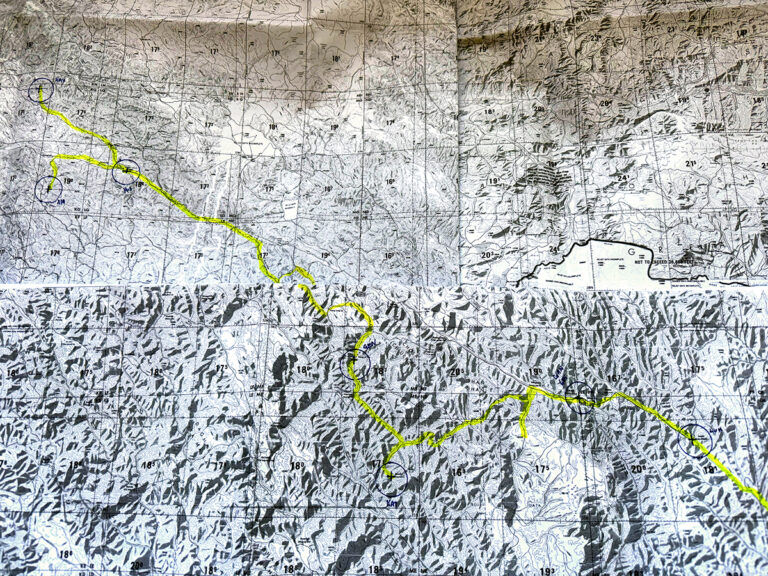
Modern technology has further empowered these local guardians. Today, herders in the Haxiu region use mobile apps to record their patrols, uploading geotagged photos of tracks, scat, and sightings directly to scientific databases. This “grid-based management” has transformed the local community into the primary protectors of their own land. By blending traditional ecological knowledge with infrared camera technology, the people of Haxiu are ensuring that the “Ghost of the Mountains” remains a permanent fixture of the karst towers, proving that the best way to protect a species is to empower the people who share its home.
As of early 2026, these community efforts are yielding remarkable data. A historic, large-scale assessment published in 2025 — the largest of its kind globally — estimated a population of approximately 1,002 snow leopards within the Sanjiangyuan region alone. This represents over 10% to 20% of the world’s total population, confirming that the area is a global stronghold for the species. Overall, the snow leopard population in Qinghai Province has reached an estimated 1,200 individuals, showing a significant recovery trend. These numbers underscore the vital importance of the Sanjiangyuan National Park and the success of the herder-led monitoring networks that keep watch over the gray karst towers.