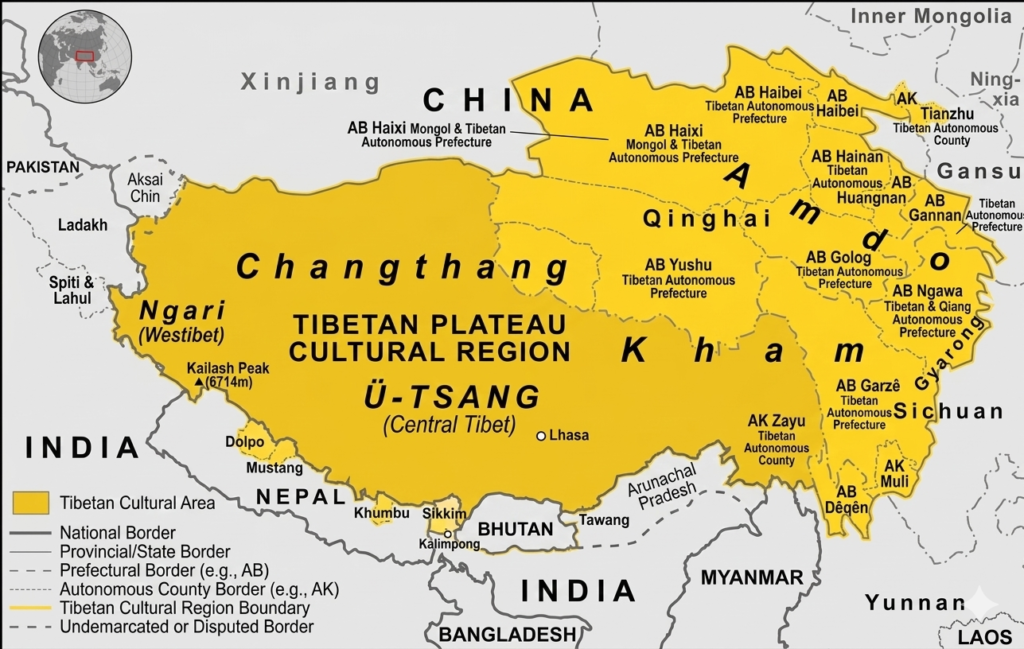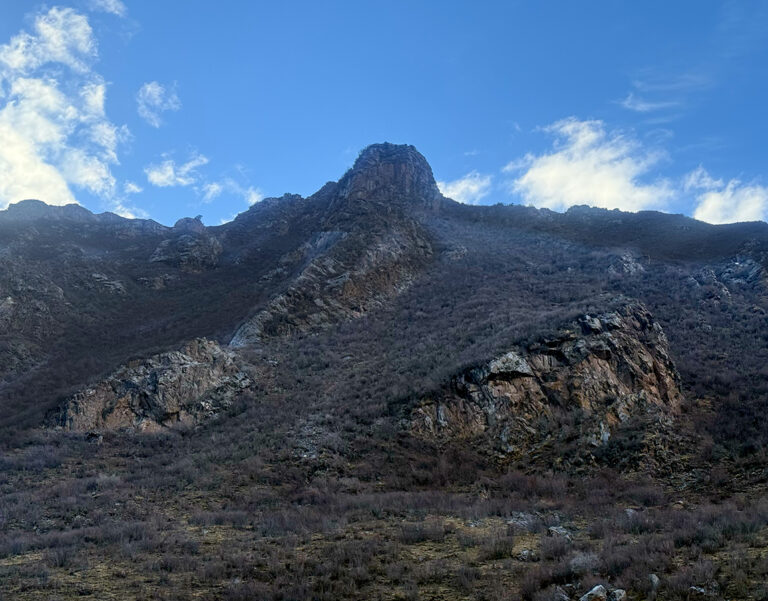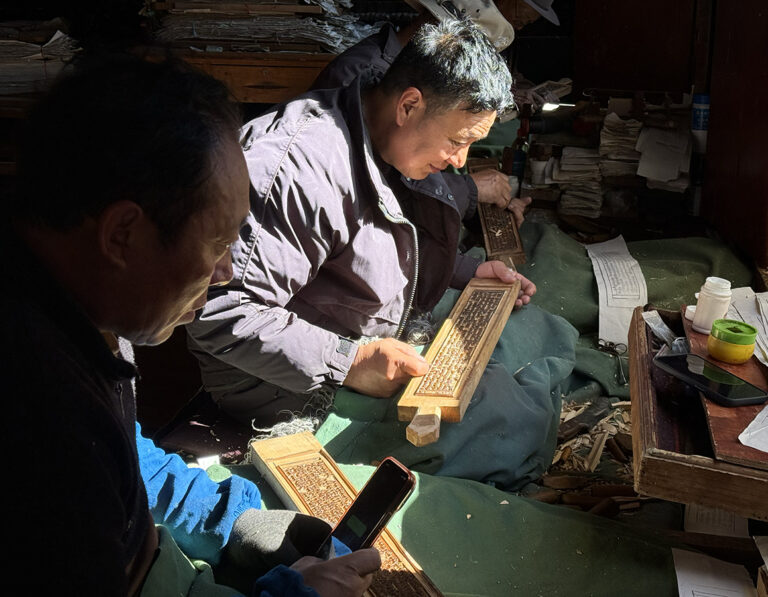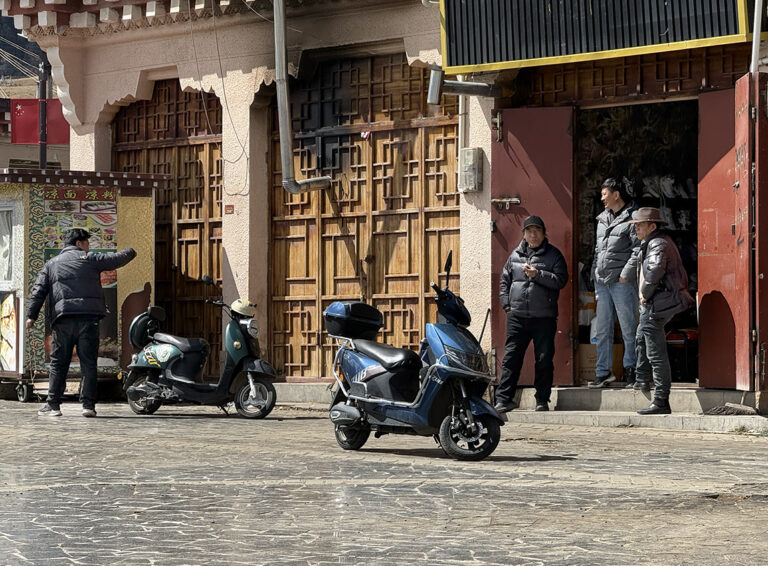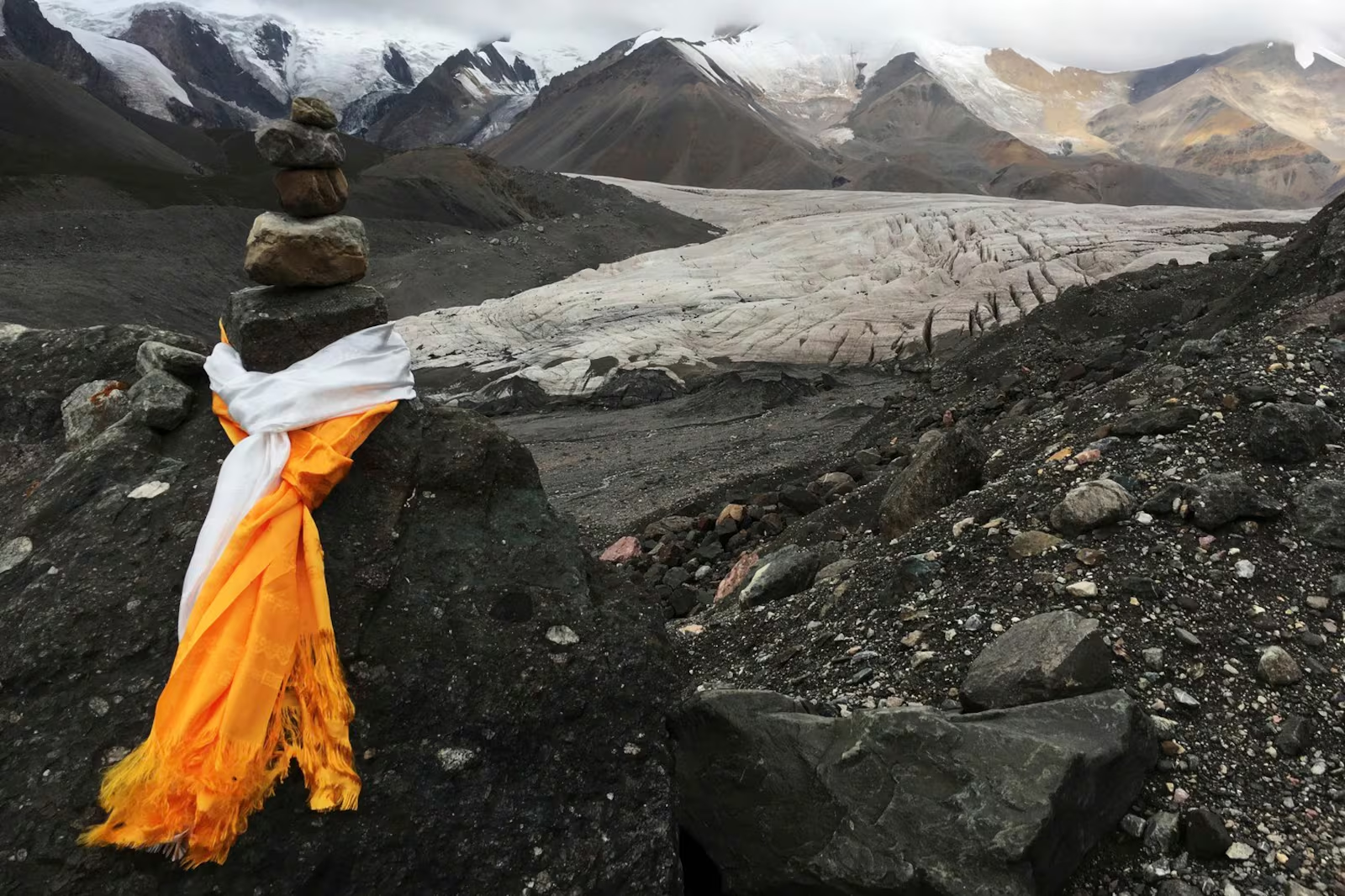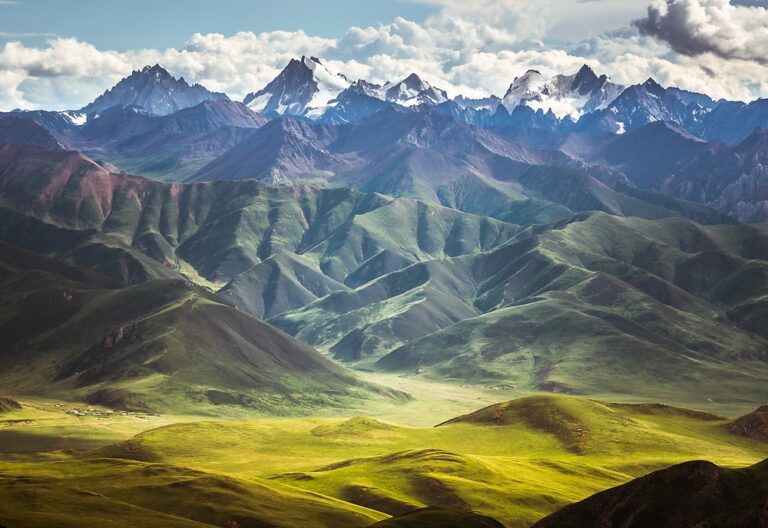

We are now firmly in Kham, a region of ancient spiritual significance and home to the “Khampas” or warrior-nomads. The historical region of Kham was a vast territory, roughly the size of France, spanning parts of present-day Sichuan, Tibet (TAR), Qinghai, and Yunnan, and the Khampa are legendary across High Asia. Often referred to as the “Warriors of Tibet,” they possess a reputation for fierce independence and a culture as rugged as the Hengduan Mountains they call home.
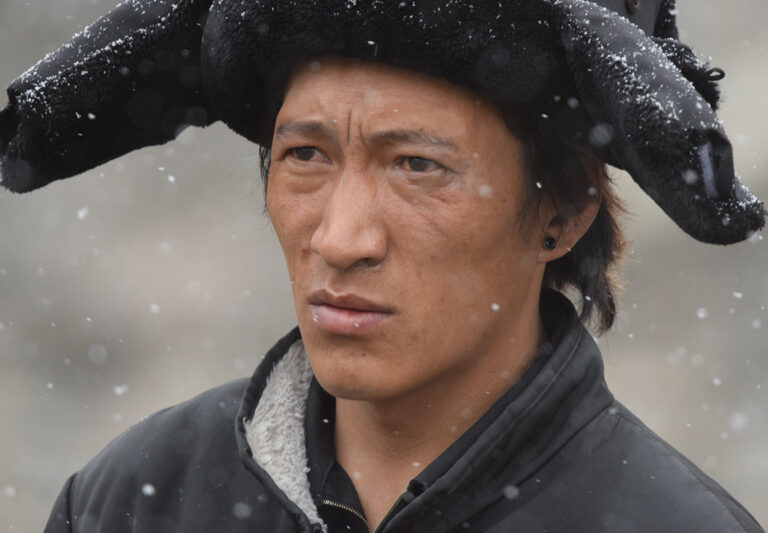
The Khampa identity is distinct from other Tibetan groups, a fact famously captured in the Tibetan proverb: “The best religion comes from Central Tibet, the best horses from Amdo, and the best people from Kham.” Physically, Khampa men have historically been described as taller and more robust than their neighbors on the high plateau. They are easily recognized by the “hero spike”—braids of hair intertwined with red or black silk tassels that are wrapped around the head. This striking hairstyle was traditionally more than just a fashion statement; it was said to provide a layer of protection for the skull during knife fights.
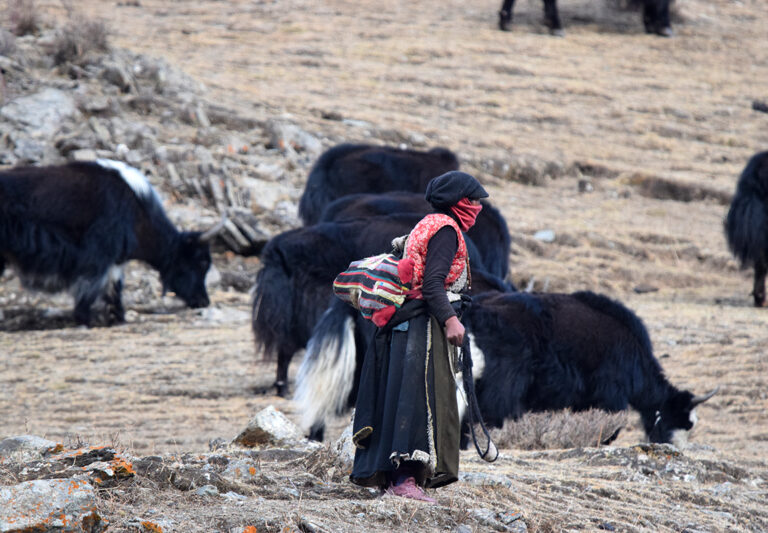
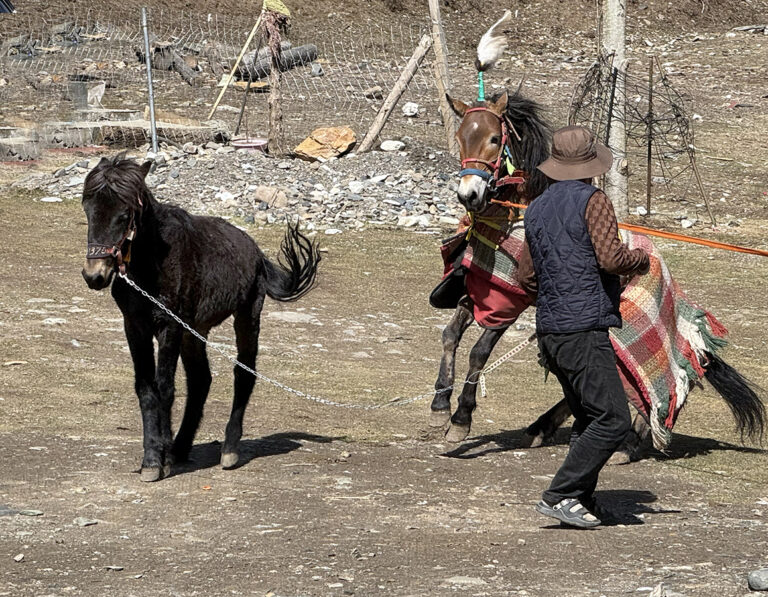
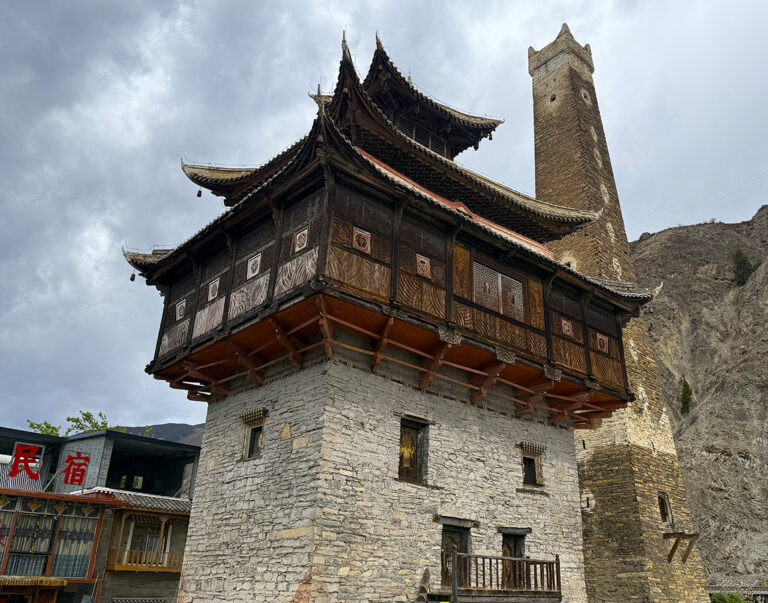
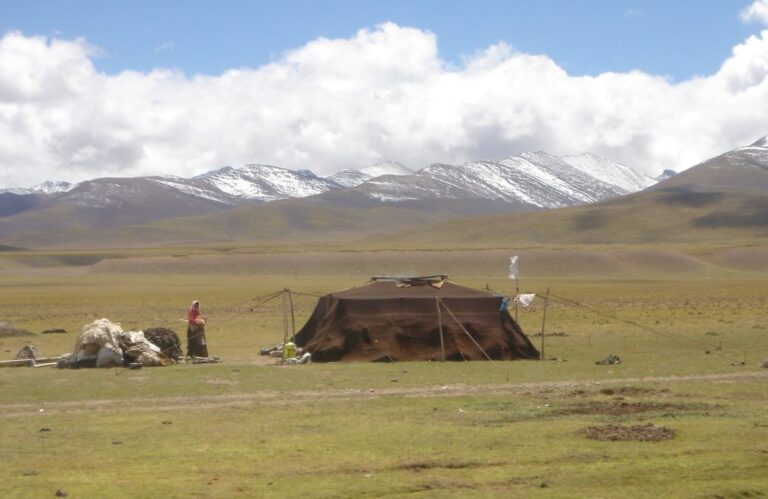
 Unlike the sedentary, stone-building Gyarong, the Khampa heartland is a world of high-altitude grasslands and nomadic movement. Here, the horse is the soul of the culture. In places like Litang and Yushu, a person’s status and freedom are measured by their skill in the saddle. This heritage is celebrated during massive summer festivals where “cities of tents” appear overnight. These events are a whirlwind of horseback acrobatics, where riders hang off galloping ponies to retrieve silk scarves from the ground. Khampa women often wear staggering amounts of turquoise, amber, and red coral in their headdresses and chest ornaments, with some pieces passed down through generations.
The warrior spirit of the Khampa is not merely a relic of the past but a central theme in modern history. Because Kham was traditionally composed of dozens of independent kingdoms and tribal chiefdoms rather than a single centralized state, the people developed a culture of extreme self-reliance. This led to the formation of the Chushi Gangdruk guerrilla force in the 1950s, which mounted a significant armed resistance. The bravery of these “Four Rivers, Six Ranges” warriors was so widely respected that Khampa bodyguards were specifically chosen to protect the 14th Dalai Lama during his perilous escape to India in 1959.
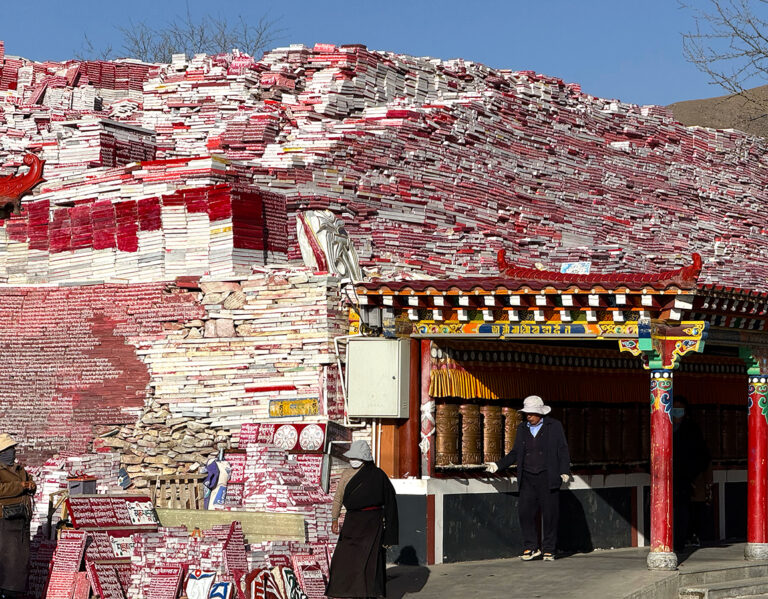
Despite their formidable reputation, the Khampa are among the most devout practitioners of Tibetan Buddhism and the indigenous Bon religion. Their spiritual devotion is often expressed with a raw intensity; it is common to see Khampa pilgrims performing full-body prostrations over thousands of miles of highway to reach the holy city of Lhasa. This blend of martial prowess and deep-seated faith defines the Khampa as a people who are as comfortable with a prayer wheel as they are with a rifle or a sword.
The Three Tibetan Regions: Ü-Tsang (Central), Amdo (Northeast) and Kham (East).