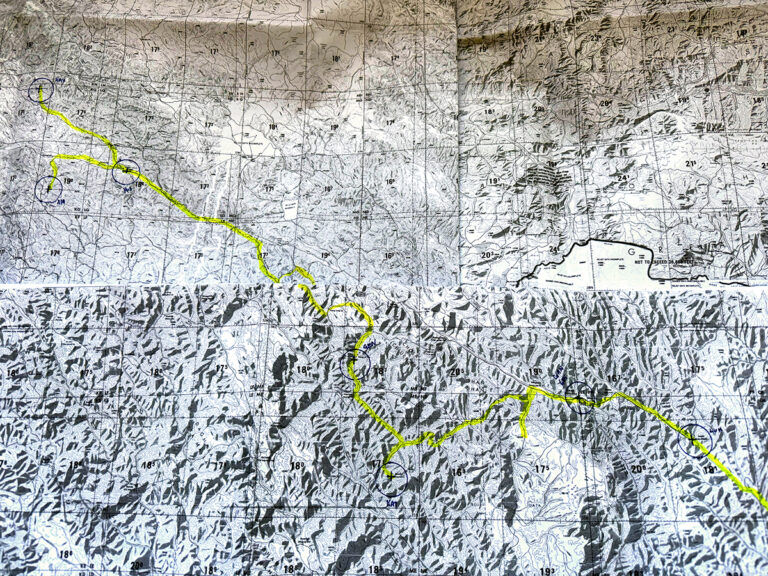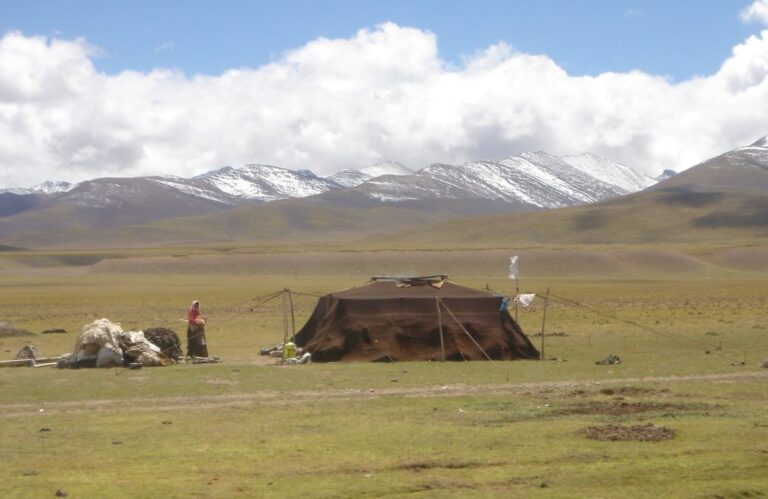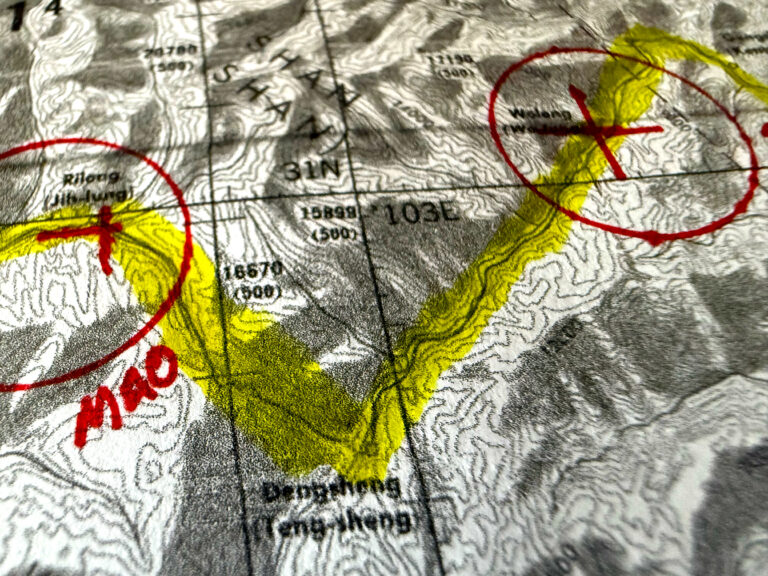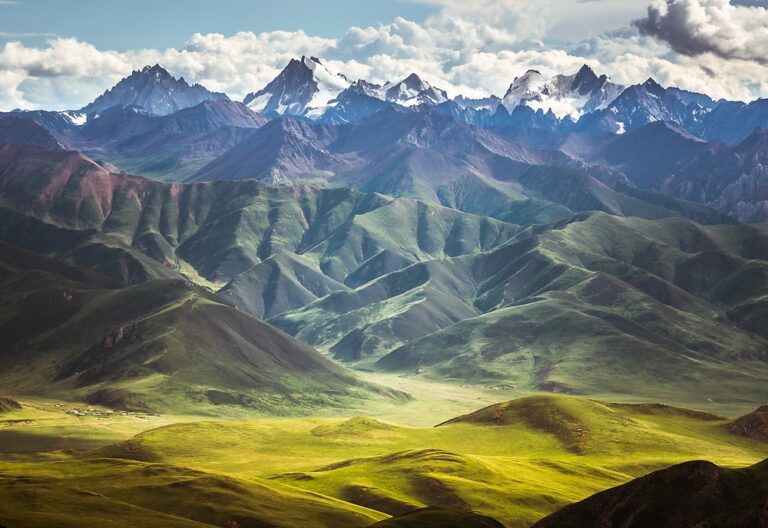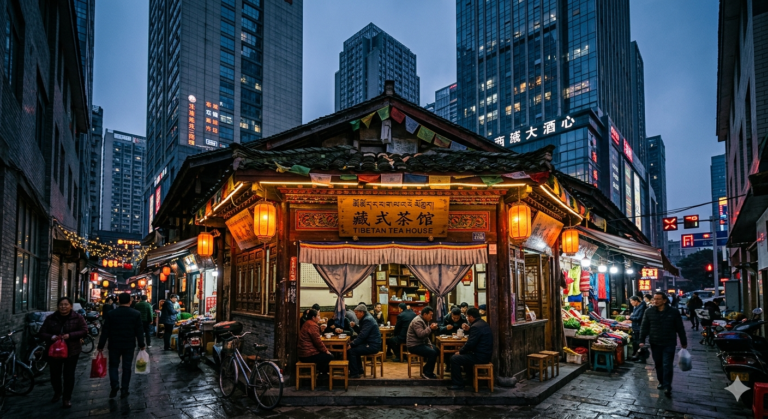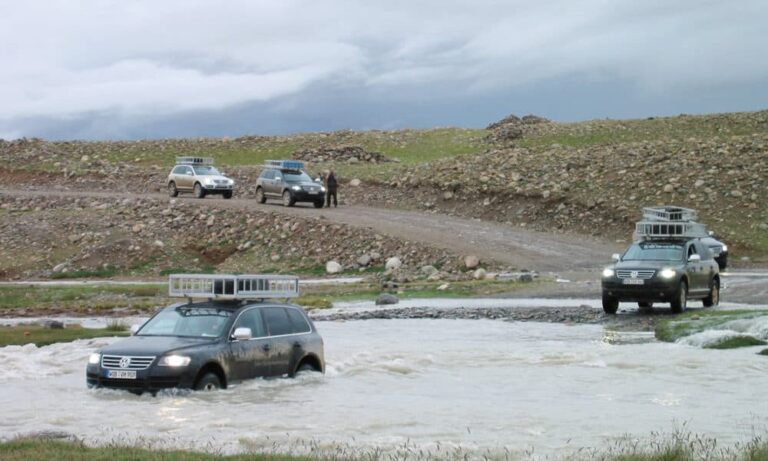

While the lower valleys of the Gyarong are defined by their stone towers and the rugged eastern marches of Kham by their warriors, the high-altitude plateau of Yushu (Gyegu) holds a different kind of prestige. Situated in the heart of the Sanjiangyuan region—where the Yangtze, Yellow, and Mekong rivers originate—Yushu served for centuries as one of the most vital strategic hubs on the Ancient Tea Horse Road (Chamagudao). This “Southern Silk Road” was a sprawling network of caravan trails that facilitated the exchange of Chinese tea for sturdy Tibetan warhorses, and Yushu was the essential link connecting Sichuan, Qinghai, and Central Tibet.
Historically known as Gyegu, the city’s significance was born from its geography. It sat at the junction of two massive trade arteries: the route leading east into the tea-growing regions of Sichuan and the route leading north toward Xining and the Silk Road. Because of this, Gyegu evolved into more than just a rest stop; it became a cosmopolitan trade center where the nomadic culture of the plateau met the mercantile world of inland China. Caravans arriving from the lowlands would often spend weeks here, resting their animals and bracing for the final, grueling trek toward Lhasa.
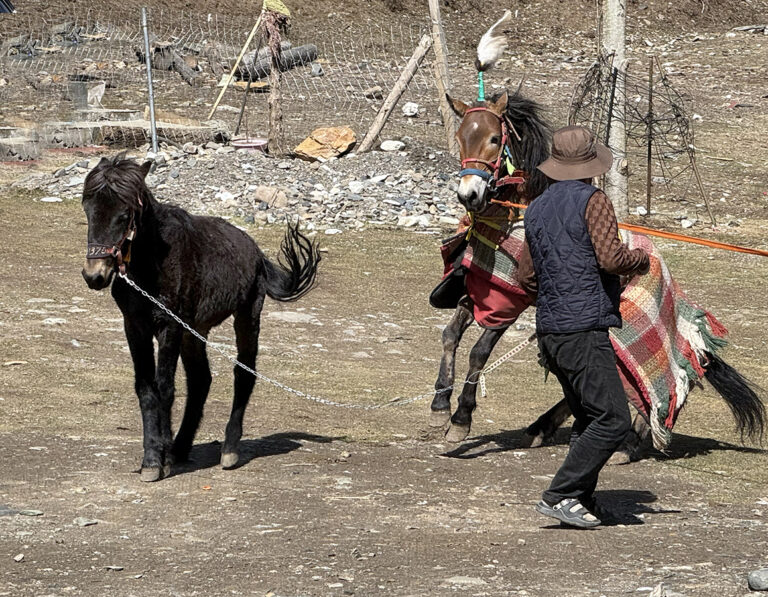
The trade at Yushu was anchored by the “Tea-for-Horse” exchange. The Chinese dynasties, particularly during the Song and Ming eras, were in desperate need of robust Tibetan ponies to bolster their imperial armies against northern invaders. In return, Tibetans sought the nutrient-dense tea bricks produced in Sichuan and Yunnan, which were essential for surviving the cold, high-altitude climate. Yushu became the primary market for this commerce in Northern Kham, where thousands of horses were traded annually for tons of compressed “dark tea.” This economic engine fueled the growth of massive monastic complexes, which functioned as both spiritual centers and secure warehouses for the valuable goods passing through the valley.
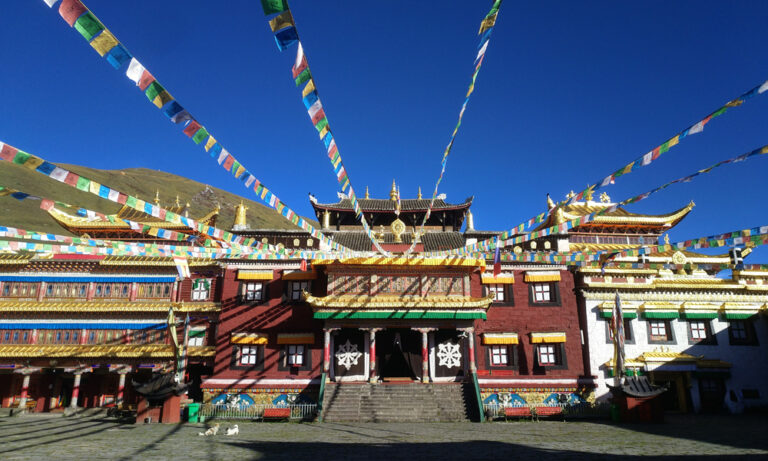
Today, the legacy of the Tea Horse Road is still visible in the cultural fabric of Yushu. Despite the devastating 2010 earthquake that reshaped much of the city, the spirit of the caravan traders survives in the Gyegu Monastery, which overlooks the city, and the local markets where medicinal herbs, caterpillar fungus, and wool are still traded. The region remains a place of profound movement and exchange, proving that while the horse caravans have been replaced by highways, Yushu’s role as the “crossroads of the plateau” is as permanent as the mountains themselves.
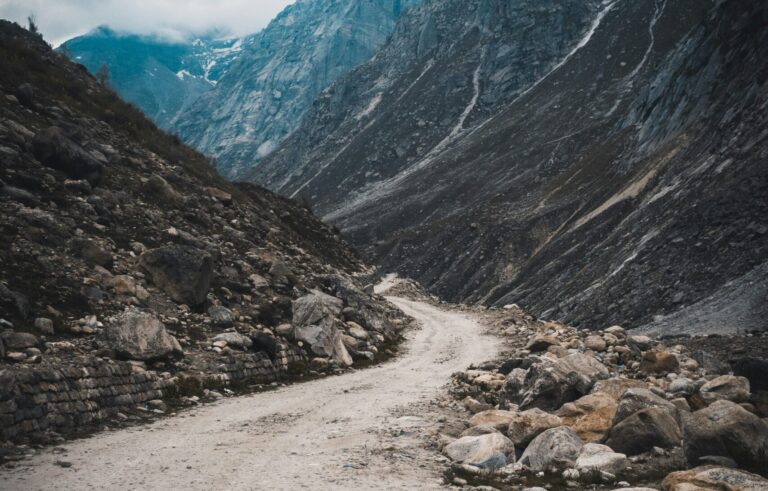
While the passage of time and modern development have paved over much of the original Tea Horse Road, the Yushu and surrounding Eastern Kham regions still hold evocative physical remnants of the caravans’ passage. These “fingerprints” of history range from carved stone trails to spiritual landmarks that served as the essential stopping points for weary traders.
The most visceral remains of the road are the “hoof-worn stones” found in the more remote sections of the plateau. In certain limestone stretches of the trail, one can still see deep, circular indentations—sometimes up to 70 centimeters deep—carved into the solid rock by the repetitive stamping of millions of iron-shod horses over a millennium. Similarly, porters who carried hundreds of pounds of tea on their backs left “pockmarks” in the stone with their metal-spiked T-shaped walking sticks, which they used to rest their heavy loads without taking them off.
In the era of the Tea Horse Road, monasteries functioned as the equivalent of modern-day logistics hubs. Massive complexes like the Gyegu Monastery in Yushu were not only religious centers but also served as secure “warehouses” and informal caravanserais. Traders would seek shelter within the monastery walls, where they could trade goods, graze their animals on monastic lands, and pay for protection against bandits. While many original wooden guesthouses (kangs) have been rebuilt, the layout of these “monastery towns” still reflects their historical role as the primary staging posts for the trade.
Located about 20 kilometers south of Yushu (Gyegu) in the Lebagou Valley, the Princess Wencheng Temple (Nampar Nangze) is perhaps the most significant “spiritual caravanserai” in the area. Built against a sheer cliff, the temple commemorates the 7th-century Tang Dynasty princess who stopped here for a month during her arduous journey to marry King Songtsan Gampo. This site served as a vital landmark for later caravans; the cliffs surrounding the temple are covered in ancient Tibetan inscriptions and Buddhist reliefs, many of which were commissioned by travelers as offerings for a safe passage through the treacherous high-altitude passes.
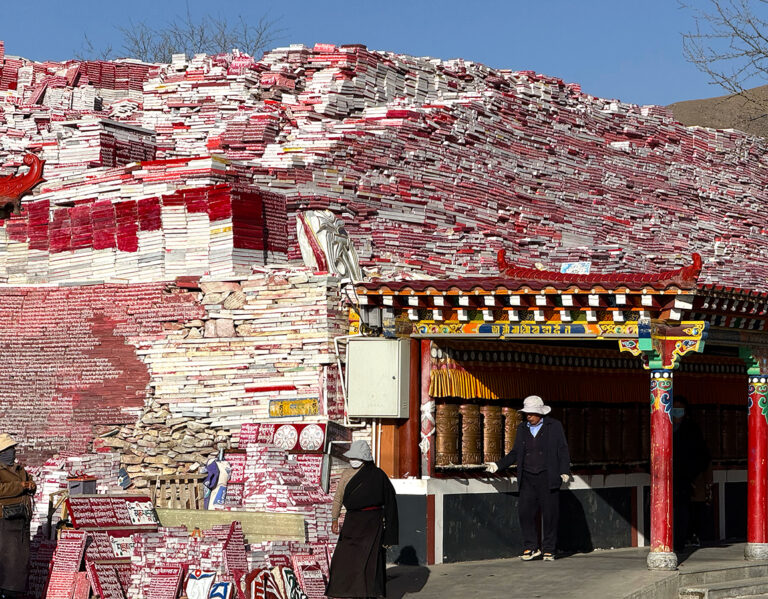
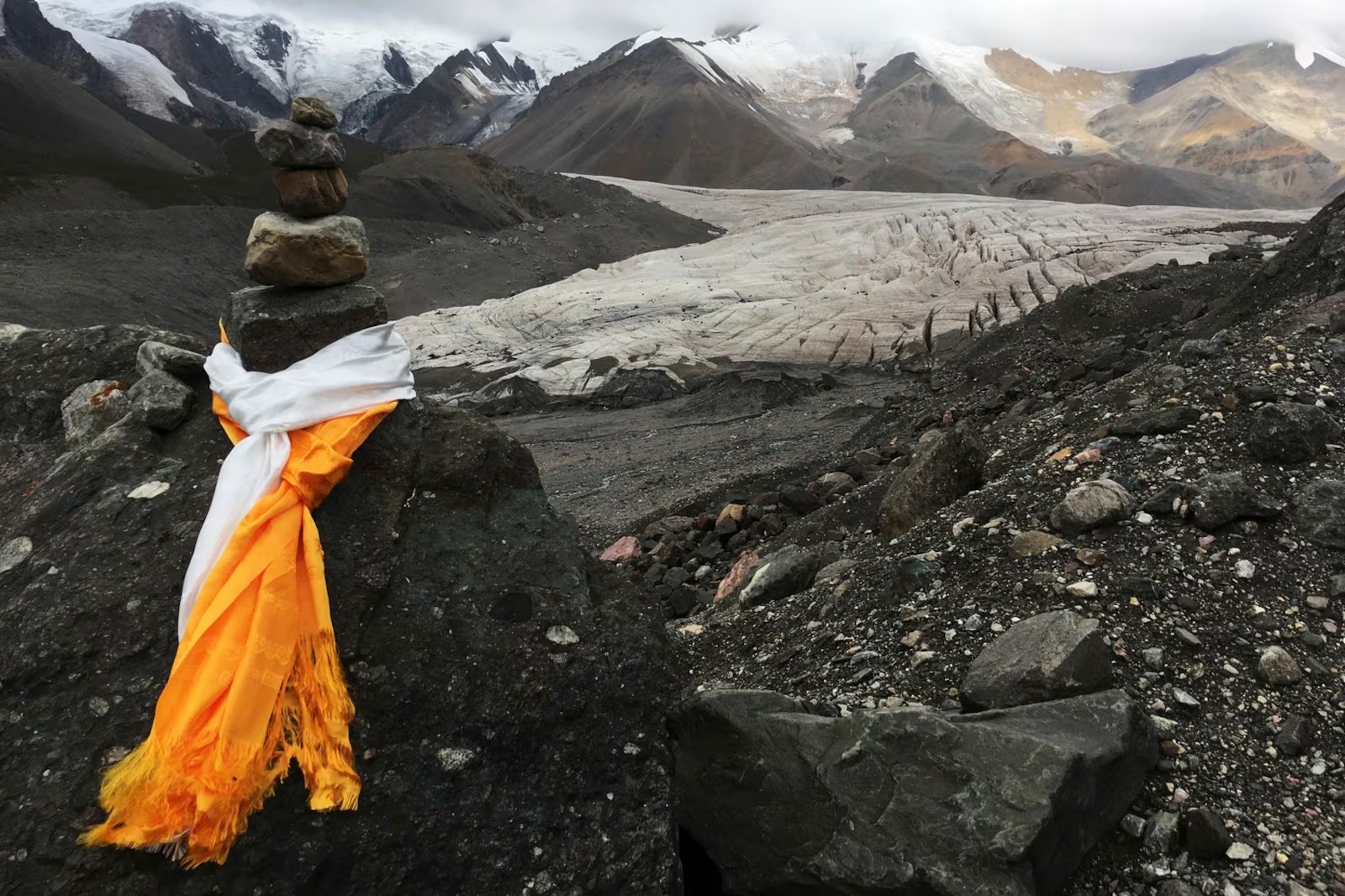
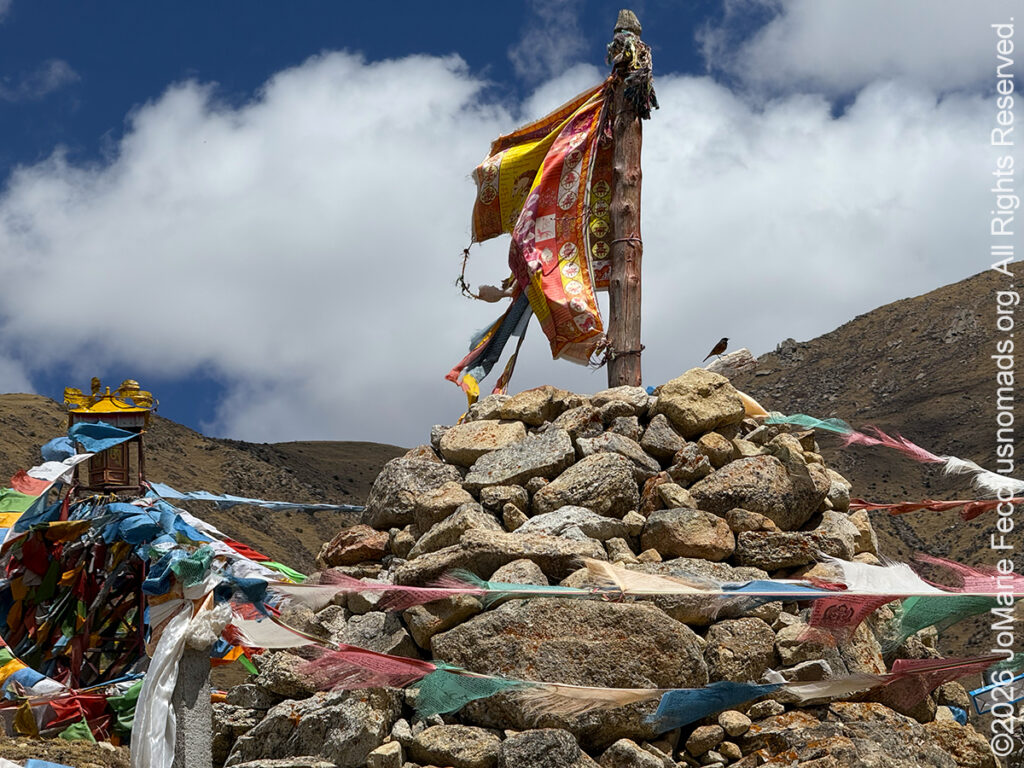
Along the desolate stretches between Yushu and Lhasa, travelers will encounter massive mounds of prayer stones, most famously the Gyanak Mani in Yushu, which contains over 2 billion carved stones. For caravan leaders, these were more than religious sites; they were essential navigational landmarks. In the middle of a snowstorm or on the featureless high-altitude grasslands, these growing mountains of stone served as permanent markers that a trader was still on the “Gyalam” (the Wide Road). They often mark the entrance to dangerous passes or the location of reliable water sources, acting as silent guides for the “Muleteers of the Clouds.”