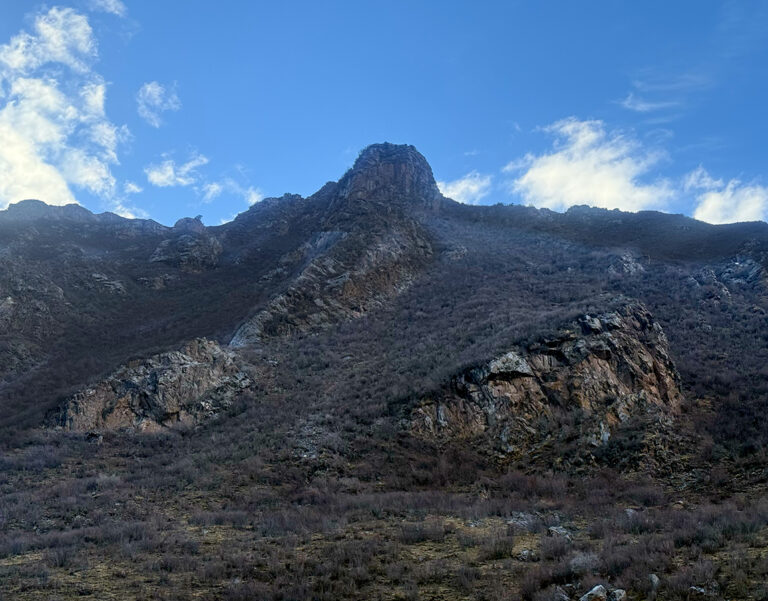
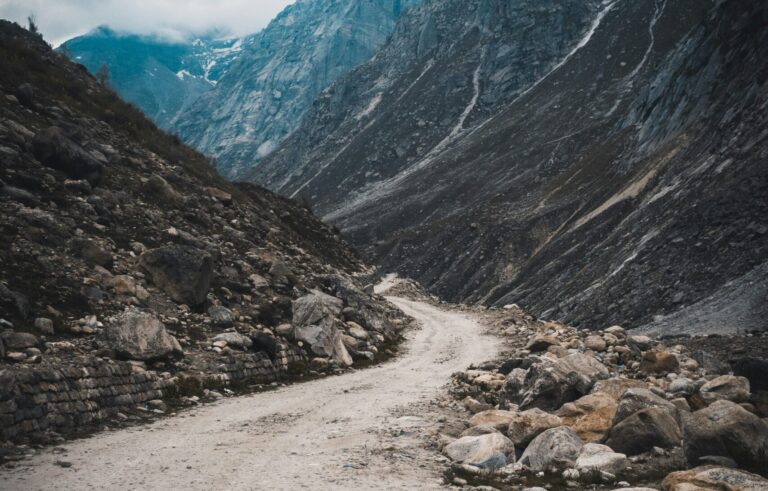
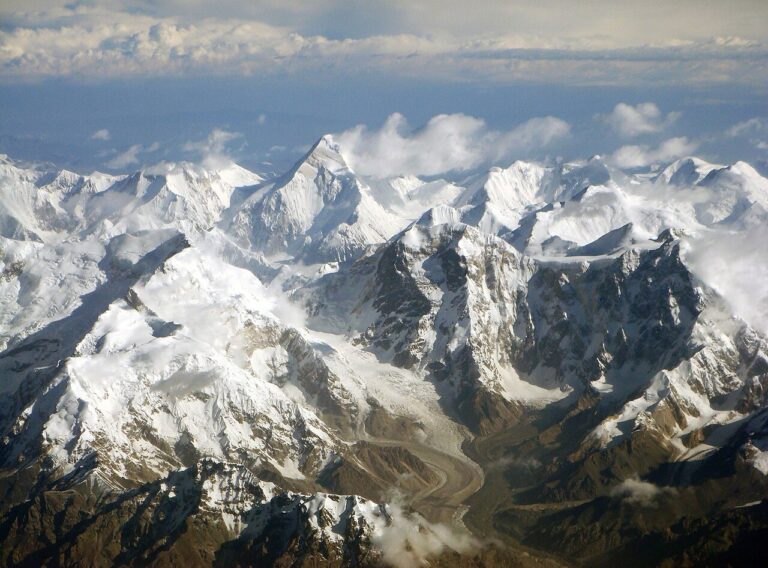
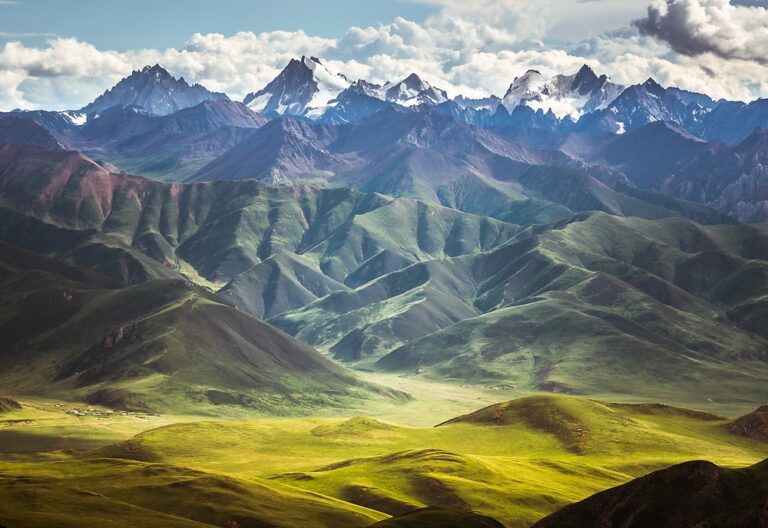
In the high-altitude wilderness of the Sanjiangyuan region, the landscape takes on a jagged, otherworldly appearance defined by ancient karst formations. Unlike the rolling grasslands typically associated with the Tibetan Plateau, the area around Haxiu is dominated by soaring limestone towers and weathered gray spires. This specialized geography has created one of the most effective natural arenas for the world’s most elusive predator: the Snow Leopard (Panthera uncia).
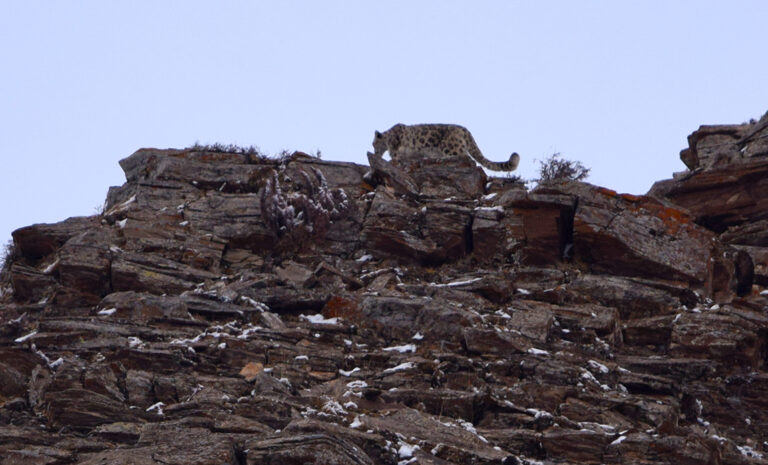
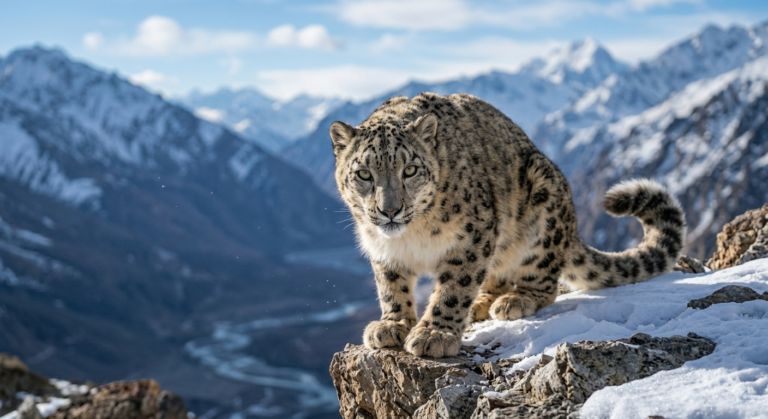
The primary reason Haxiu has become a premier hunting ground lies in the perfect evolutionary match between the cat’s coat and the local geology. The “gray rock” of the karst towers is not a uniform color; it is a complex mosaic of silver, ash, and charcoal, frequently mottled by white patches of snow or pale lichens. The snow leopard’s fur mirrors this exactly, with its smoky-gray base and dark, open rosettes. When a leopard sits motionless against a limestone cliff, the horizontal and vertical lines of its spotting break up its silhouette, making it virtually invisible to the naked eye—even from only a few meters away.
This camouflage is essential because of the vertical nature of the Haxiu terrain. Karst towers provide a “three-dimensional” hunting environment. The steep, craggy cliffs and deep fissures allow the leopards to maintain a high-ground advantage, from which they can scan the valleys for blue sheep (bharal) or ibex. Because the rock is so broken and jagged, it creates a labyrinth of blind corners and silent approach corridors. A snow leopard can stalk within striking distance by staying behind the gray ribs of the karst, hidden by both the stone’s physical mass and its color.
Beyond mere concealment, the physical properties of the karst towers assist in the hunt itself. The limestone provides excellent grip for the leopard’s massive, fur-covered paws, which act like natural snowshoes and climbing boots. In the Haxiu towers, a hunt often involves a high-speed descent down a near-vertical face. The “broken” surface of the weathered karst provides the leopard with the necessary footings to make 10-meter leaps, using its exceptionally long tail as a literal rudder to maintain balance while chasing prey through the gray labyrinth.
Conservationists have noted that Haxiu’s unique geology also provides the perfect “nursery” for the species. The countless caves and deep recesses formed by the dissolution of the limestone provide sheltered, impenetrable dens for mothers to raise cubs. This combination of perfect camouflage, abundant high-ground vantage points, and secure denning sites makes the gray towers of Haxiu a “fortress” for the snow leopard. In this landscape, the line between the predator and the mountain itself is almost non-existent, earning the cat its local title: the “Ghost of the Mountains.”