The Time-Traveler’s Return: Crossing the International Date Line
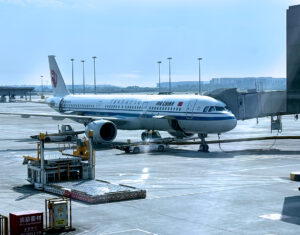
The journey from the humid basin of Chengdu back to the familiar skyline of New York City is more than a flight; it is a profound exercise in temporal distortion…

Preparing for this expedition has been a project of its own, primarily because of a peculiar logistical challenge: just trying to find where I’m going on a map.
When you are navigating the Eastern Tibetan Plateau, Google Maps is not always your friend. The biggest hurdle is the language barrier — not just spoken, but geographical. This is a region where Chinese characters meet Tibetan phonetics, creating a complex web of names.
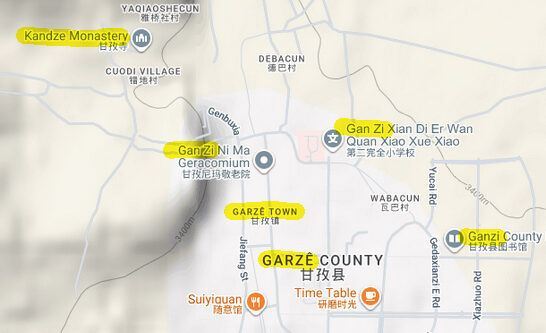 For example, the same town might be known by a totally different name in Tibetan than it is in Chinese. When I try to look up a location, I often have to search for the Chinese name, find the Pinyin transliteration, and then correlate that with the Tibetan name used by local herders.
To make matters more complicated, transliteration isn’t standardized. A place might be spelled “Garze” in one guide, “Ganzi” in another, and “Kandze” in a third. I spent hours cross-referencing maps, only to find that the spot I was aiming for was actually 50 kilometers away.
Furthermore, the way these names look when transliterated into English rarely matches how they are pronounced. It’s a linguistic puzzle that requires patience and a deep respect for the local culture. It’s a reminder that I am not just traversing a physical landscape, but a cultural one where names hold history and meaning.
The journey from the humid basin of Chengdu back to the familiar skyline of New York City is more than a flight; it is a profound exercise in temporal distortion…

The lowlands of Chengdu find their soul in the explosive, colorful, and lightning-fast world of Sichuan Opera…

After the spiritual stillness of Yushu, Chengdu greets you with a vibrant, sensory-rich landing…

The transition from the Tibetan Plateau to the Sichuan Basin is one of the most dramatic environmental shifts on the planet…