Day 5: IA to NE — Where the Prairie Meets the Sky
The Great Plains don’t announce their arrival. There is no mountain pass, no dramatic shift in elevation, no billboard declaring that you’ve crossed into a different kind of country…

When people picture Long Island, they don’t usually picture wilderness. They picture suburbs—houses and shopping centers, traffic and commuter trains, and highways lined with businesses that stretch almost toward the very eastern end of the island. It is one of the most densely developed places in the country, and yet, scattered among all that suburbia are woodlands, wetlands, and stretches of coastline where the landscape still feels remarkably like itself.
These are the places where I have spent much of my time wandering whenever I am “home.” They are the local corners where I could escape the suburban sprawl right here on Long Island.
And now, as my final weeks here wind down, I am revisiting some of them one more time and pausing to frame each one in my memory. There is something very different about how you see a familiar place when you know you are about to leave it behind.
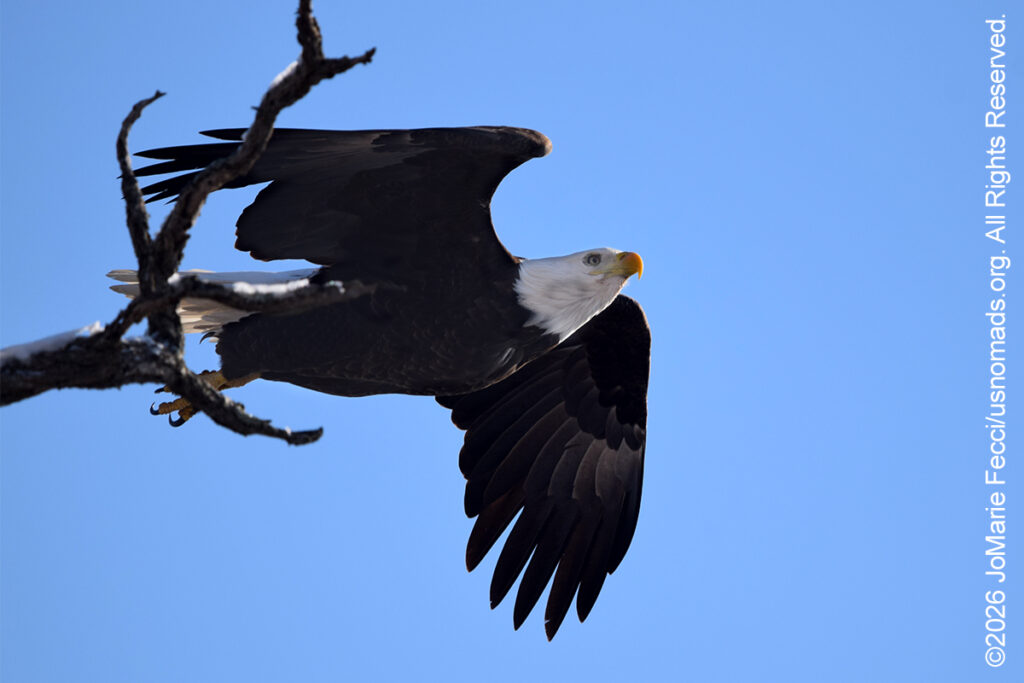
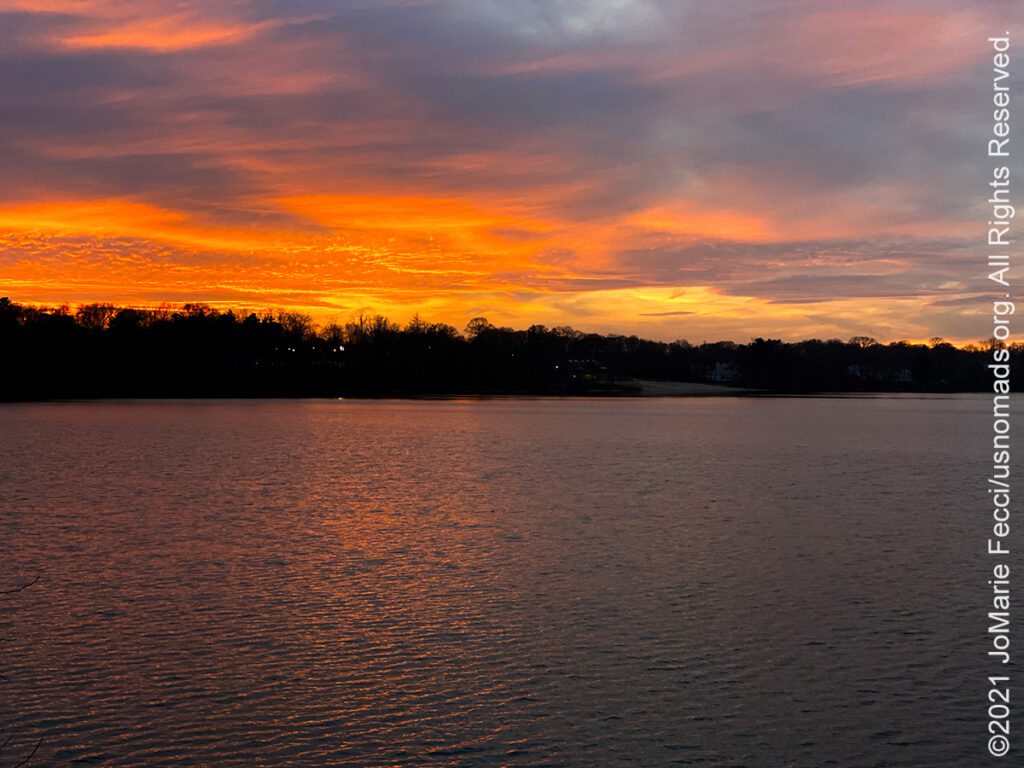 My first stop is Lake Ronkonkoma, right nearby. I pass the lake multiple times a day, but every now and then I go there for a walk, to watch the sunset, or to photograph the bald eagles that have recently made a home nearby. There weren’t always bald eagles here. When my family first moved to Long Island in the late 1960s, the water was polluted and degraded, with no wildlife to speak of—only piles of discarded tires thrown into the woods along its banks. Over the years, the lake was dredged, cleaned up, and restored. Today, it is once again a beautiful body of water surrounded by trees and open space, where resident bald eagles can circle above to hunt.
The lake’s transformation is a quiet reminder that landscapes are not fixed in either a natural or damaged state. They can be altered and neglected, but they can also be restored.
Long Island has many natural areas being protected now that so few remnants of wildness remain. On the North Shore, the area around the Nissequogue River is another favorite—the nearest place I can go to surround myself with the raw, coastal character of our island. Here, you can still pass through landscapes that let you imagine what it looked like before Levittowns and developments.
This morning, I set out for what may well be my last time kayaking the Nissequogue. It was a chance alignment of timing and tide that turned into a perfect farewell. Because the river connects to the Long Island Sound, it functions as an active tidal basin; timing is everything. We had to be at the inland launch spot by 7:30 a.m. High tide had been at 6:00 a.m., and we needed to paddle with the outflow and reach the take-out point at the Sound before the water dropped too low and left us stranded in the thick mud flats.
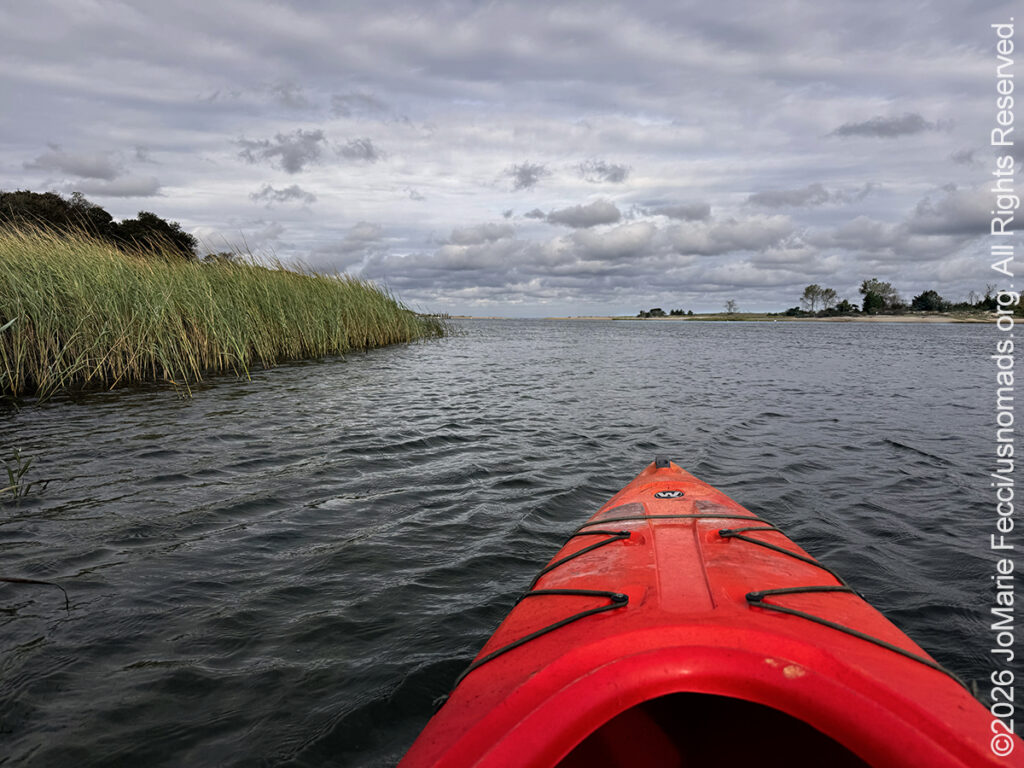 Because it was so early and already October, I had the river entirely to myself.
The water was calm and remarkably high as we launched—so high that I had to duck low to pass beneath the overpass before rounding the first bend. The sky was brushed with “swiss cheese” clouds, with the early sun poking through just enough to keep the October air comfortable. Long Island was just waking up. As I paddled quietly forward into the silence, a great blue heron rose gracefully from the surrounding reeds.
I love the Nissequogue because paddling it feels like navigating a living maze. The route twists and turns around thickets of wetland plants, meandering tightly through heavily wooded sections before gradually opening up wider as it approaches the Sound. I paddled lazily, taking my time to savor the changing sky, the tidal habitat, and the quiet rhythm of the water. This is the Long Island I love: these wild, protected spaces tucked quietly between the suburban sprawl that allow us to feel nature’s beauty and grace.
Back on land, I return to a favorite hike at the David Weld Sanctuary, a small preserve where deer, turtles, and other wildlife are common. The trail begins in a meadow, enters the woods, passes a swampy pond, and climbs a gentle slope before emerging onto a high bluff overlooking the Sound.
From there, a short path leads down to the beach, where you can walk along a quieter, wilder stretch of shoreline. In the water sit huge glacial erratics. Around 20,000 years ago, the Laurentide Glacier pushed south from New England, scraping up bedrock and dropping its debris when it melted away to create Long Island. Over millennia, waves from the Sound have steadily eroded the sandy bluffs. While the soft sand washes out to sea, the water isn’t powerful enough to move the giant boulders. The cliffs recede, leaving these heavy erratic rocks resting permanently on the beach and in the surf where they tumbled down.
Not surprisingly, many of my favorite Long Island places are along these coastal edges. When I want a longer day out, I head east toward the Pine Barrens, where the history of human interaction intersects with the wild in fascinating ways. At the Elizabeth A. Morton National Wildlife Refuge in Sag Harbor, small birds will occasionally land on an outstretched hand to take seeds from a visitor’s palm.
Donated to the U.S. Fish and Wildlife Service in the 1960s by philanthropist Elizabeth Alexandra Morton—who lived in a cottage on the property until her passing—the refuge’s maritime oak forest is home to high concentrations of bold, curious Black-capped Chickadees and Tufted Titmice. Over decades, driven by cold winters and the tradition of early hikers offering seed, generations of songbirds learned to view an outstretched human hand as a safe, reliable food source.
It remains an unexpectedly intimate encounter with wildlife. You stand quietly, hold out your hand, and wait. Then, if the bird decides to trust you, a tiny living creature balances briefly on your fingers. It lasts only a moment, but the memory stays with you.
 Following the road east to its very end, there is Montauk. The cliffs. The Atlantic. The lighthouse standing at the edge of the island. Stand there and look east, and the land narrows to a final point of earth before giving way entirely to the ocean.
It is a fitting place to end this particular chapter and say goodbye to Long Island—to reflect on the spaces that have been the backdrop of my life here. The tides will still turn in the Nissequogue. Bald eagles will circle Lake Ronkonkoma. Birds will continue to land on outstretched hands. The waves will keep working at the cliffs of Montauk, and the lighthouse will stand watch at the edge of the Atlantic.
The landscapes that made this home are still here, and I will come back to them—but they won’t be my backyard anymore.
The Great Plains don’t announce their arrival. There is no mountain pass, no dramatic shift in elevation, no billboard declaring that you’ve crossed into a different kind of country…
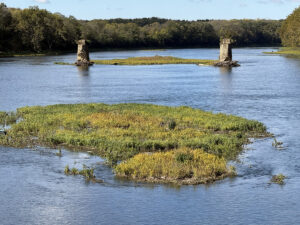
The river outlasted the bridge. Along the Kankakee River in Illinois, old stone or concrete pylons stood in the water, the structure they once supported long gone…

Long before sunrise, the quiet hum of the Jeep’s engine cut through the pre-dawn darkness of Toledo…
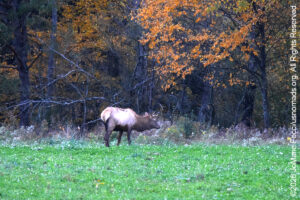
Dawn changes the character of a place. In Benezette, the valley is quiet again…