Day 5: IA to NE — Where the Prairie Meets the Sky
The Great Plains don’t announce their arrival. There is no mountain pass, no dramatic shift in elevation, no billboard declaring that you’ve crossed into a different kind of country…

Dawn changes the character of a place. In Benezette, the valley is quiet again. Heavy mist hangs low over the meadows, softening the harsh edges of the morning light as elk move ghost-like through the damp grass before disappearing back into the timber.
Wildlife photography has a way of forcing patience. You can arrive with a plan, a lens, and an expectation, but the animals have no obligation to honor any of it. The best thing you can do — the only thing you can do — is sit quietly and wait. Today, the elk were mostly hiding, and I only spotted one from very far away. There was no bugling this morning, and someone suggested that maybe it was too warm for them. It was an unseasonably warm morning, which made it very comfortable to be outside, so I took some time to check out a few other favorite spots in the area. Eventually, though, we had to move on.
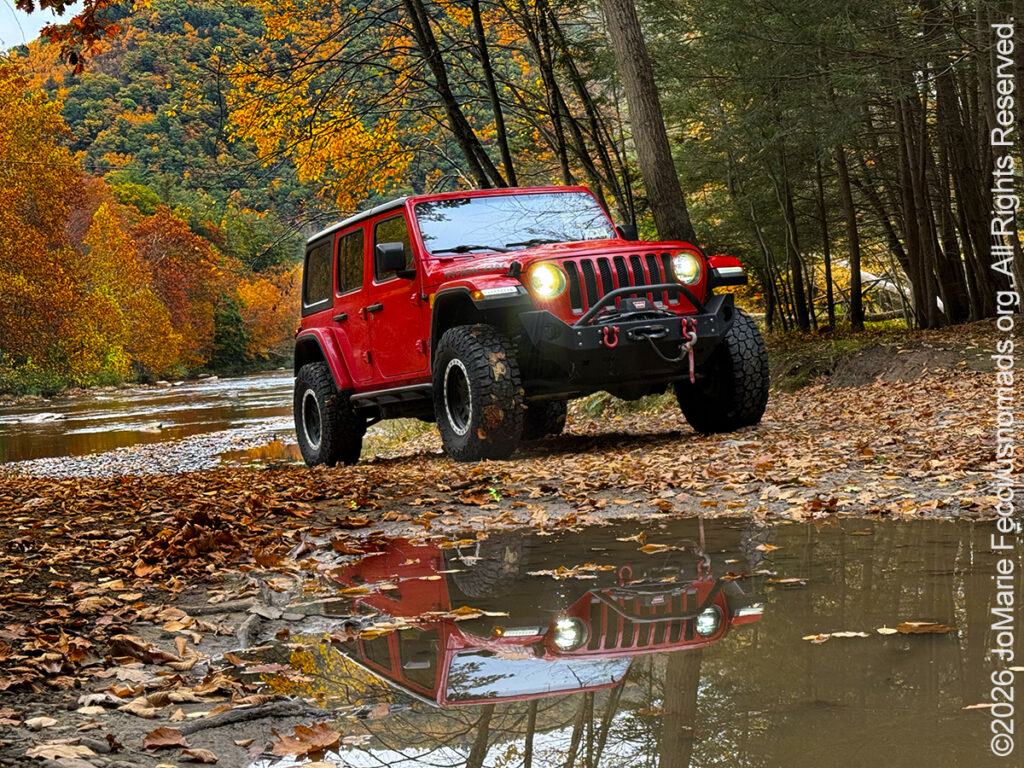 Leaving Benezette behind, the road heads northwest, and the dense, enclosed character of the Pennsylvania ridges gradually falls away. Hardwood forests slowly yield to rolling farmland. The hills flatten, and a pale blue wedge of Lake Erie appears briefly on the horizon before giving way to the urban sprawl of Cleveland. Then, almost unexpectedly, the highway drops down into the Cuyahoga Valley.
It is one of those places where a modern highway map fails to explain what you are seeing. A long, lush green corridor carves its way between Cleveland and Akron, following the Cuyahoga River through deep forest and sheer sandstone cliffs. The valley has served as a conduit for centuries. Indigenous travelers navigated the river for centuries before the opening of the Ohio & Erie Canal in 1827 transformed the Cuyahoga into an industrial powerhouse. Hand-dug alongside the river, the canal unlocked the Midwest, carrying coal, grain, and manufactured goods between Lake Erie and the Ohio River.
Heavy industry followed the water, and for over a century, the Cuyahoga paid a steep ecological price. Factory runoff and floating oil debris choked the river to the point where it famously caught fire at least 13 times—most notably in June 1969. That iconic, shocking blaze became a national wake-up call, fueling the modern environmental movement and leading directly to the passage of the Clean Water Act. The designation of the valley as a protected national park site was the final step in turning an industrial sewer back into a living sanctuary.
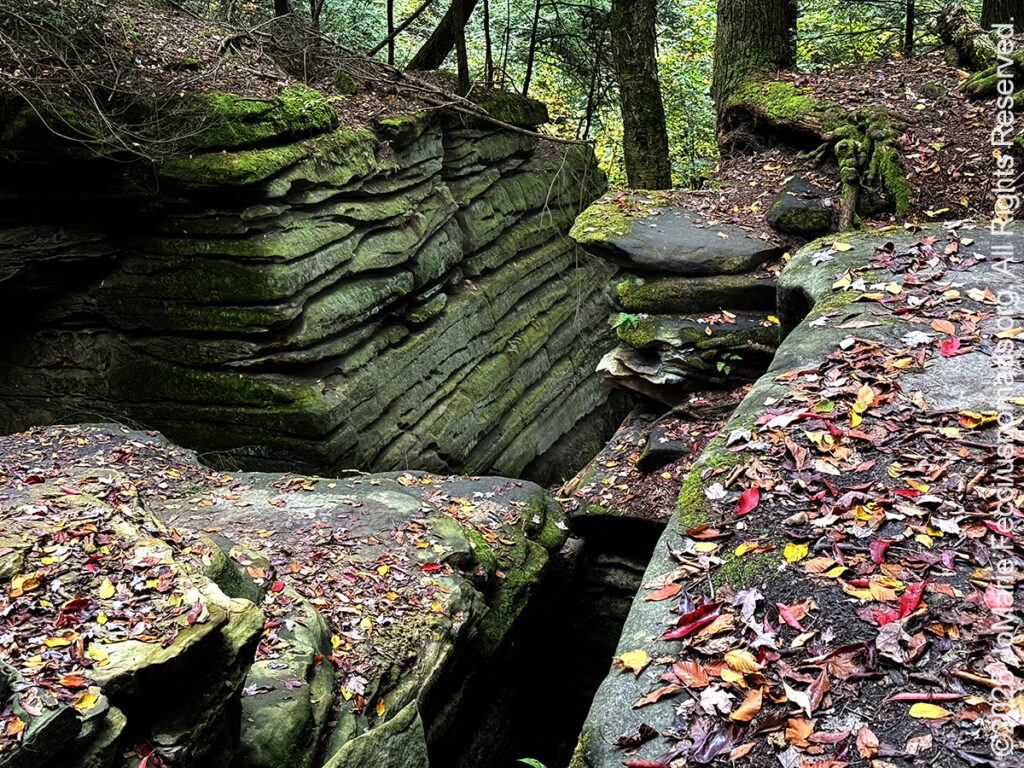 Just above the river valley floor, at the Ledges, massive walls of Sharon Sandstone rise abruptly out of the woods. Hiking along the trail, huge, moss-covered blocks of rock create narrow stone passages and cool, shaded recesses where the temperature drops immediately and the noise of the surrounding metropolis completely vanishes. Standing in the quiet shadow of the stone, the river’s turbulent industrial past feels long forgotten, and the highway feels a world away.
When the road calls again, the transit continues north, towards Toledo. We stopped for dinner in the old downtown of Vermilion, where there is a vibrant street scene with a great choice of bars and restaurants to choose from. I decided on the Old Prague Restaurant, where a dive bar ambiance mixed with some really great food. Was a great way to unwind after a day that started before dawn, waiting for wild elk to step through the mist in a secluded Pennsylvania valley, before tracing the path of a river that once burned. Time to get some rest because tomorrow, the country gets bigger still.
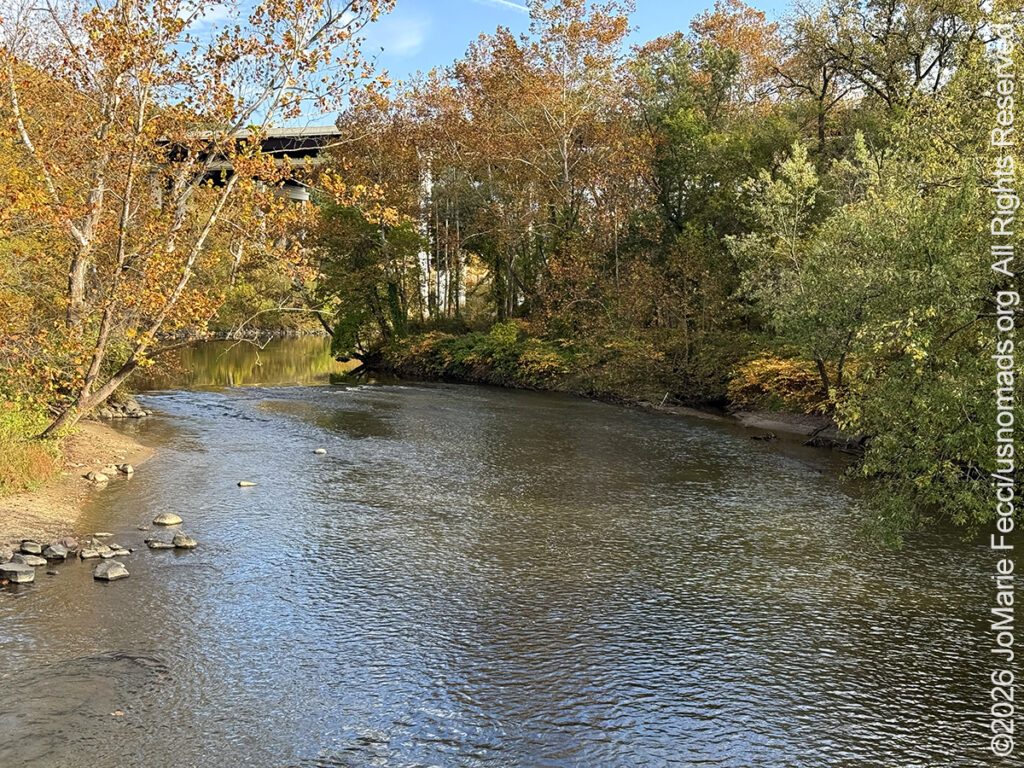
At first glance, the Cuyahoga River seems like an unlikely place to pause and reflect on the deep history of the American landscape. It flows through a densely populated corridor of northeastern Ohio, flanked by interstates, suburban neighborhoods, rail lines, and the structural skeletons of heavy industry.
But beneath that modern infrastructure lies a much older story, written by water.
Over millennia, the Cuyahoga carved the broad valley that bears its name, slicing through ancient layers of Sharon Sandstone and shale to create a natural breach through the hills. Long before asphalt or steel crossed this region, the river was doing the fundamental work of landscape building and navigation.
Human settlement quickly seized on that geographic corridor. Indigenous nations used the river and its portages as vital trade routes between Lake Erie and the Ohio River watershed. Later, 19th-century engineers realized the same topography made it the ideal path for the Ohio & Erie Canal, an ambitious hand-dug waterway that opened up the interior of the young nation to trade and settlement.
Industrial explosion followed.
The very river that created the valley became the engine for manufacturing, steel mills, and shipping. Cleveland grew into an industrial titan, but the river paid a devastating price. Chemical runoff, oil slicks, and industrial waste choked the waterway, leading to the infamous 1969 river fire—a shocking moment that caught the national conscience and helped galvanize the modern environmental movement and the passage of the Clean Water Act.
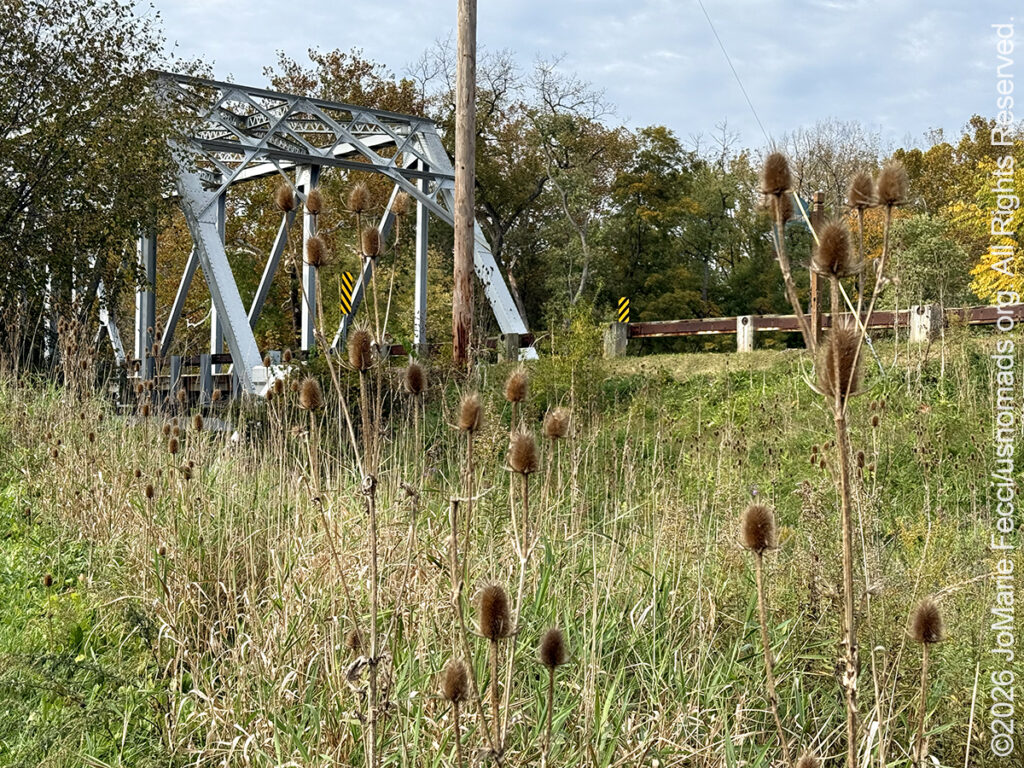 Today, much of that same corridor is preserved as Cuyahoga Valley National Park.
The transformation is staggering: a landscape once synonymous with industrial pollution is now a protected haven of reclaimed hardwood forests, wetlands, waterfalls, and wildlife.
It stands as a powerful reminder that landscapes rarely have a single, permanent identity. A river can be a natural pathway, an economic engine, an environmental casualty, and ultimately, a triumph of human restoration.
As this journey pushes farther west, that reality will surface again and again. The land outside the windshield is never just static scenery. It is an accumulated, living record of everything that came before.
The Great Plains don’t announce their arrival. There is no mountain pass, no dramatic shift in elevation, no billboard declaring that you’ve crossed into a different kind of country…
The river outlasted the bridge. Along the Kankakee River in Illinois, old stone or concrete pylons stood in the water, the structure they once supported long gone…

Long before sunrise, the quiet hum of the Jeep’s engine cut through the pre-dawn darkness of Toledo…
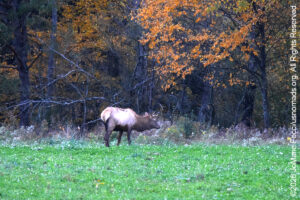
Dawn changes the character of a place. In Benezette, the valley is quiet again…