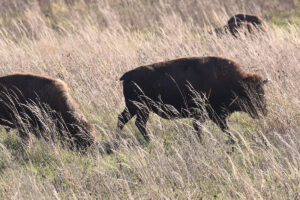
Day 5: IA to NE — Where the Prairie Meets the Sky
The Great Plains don’t announce their arrival. There is no mountain pass, no dramatic shift in elevation, no billboard declaring that you’ve crossed into a different kind of country…

Today the Jeep rolls out, leaving Long Island, loaded with the accumulated pieces of a life about to change. Heading 240° — southwest.
For weeks, my focus was locked on the practical details of moving — packing boxes, making decisions, and coordinating logistics. Fueled by adrenaline and relentless deadlines, I was in constant “production mode,” always thinking about what needed to happen next. But this morning, as I turned the key in the lock for the last time and left an empty house behind, something shifted.
A strange, heavy quietness settled over me as I merged onto the highway. After weeks of constant motion, there was suddenly nothing left to organize. All I had to do was drive.
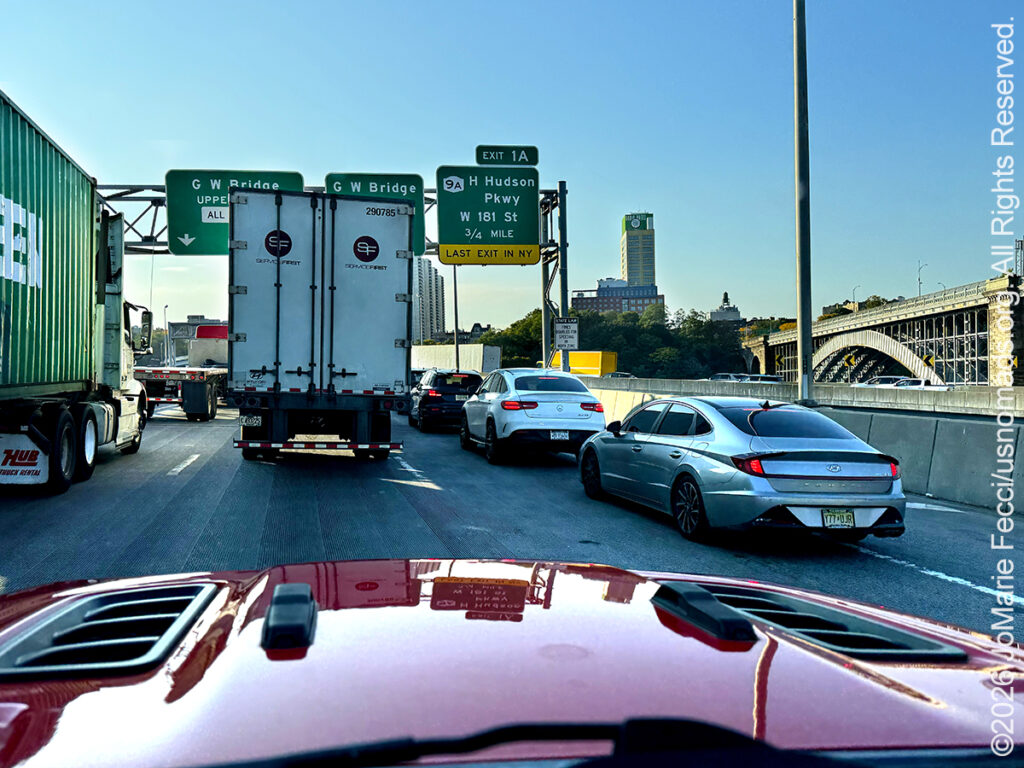 The road, however, was not feeling quite so “zen.” The first miles are anything but wilderness. The route threads through the dense suburban arteries of New York and New Jersey, where the relentless sprawl of the urban Northeast clings to the interstate. Traffic is heavy; strip malls and sound walls are constant. There is no dramatic sense of departure — just a slow, grueling crawl through a landscape that feels too familiar to offer any real sense of progress.
Then, a few hours into the drive, somewhere beyond the Susquehanna River, the tight grip of the urban East Coast finally begins to loosen. The highways narrow. The flat suburban horizon gives way to wooded ridgelines. Deep ravines cut through hardwood forests, and the road begins following contours that existed long before the interstate ever crossed these mountains.
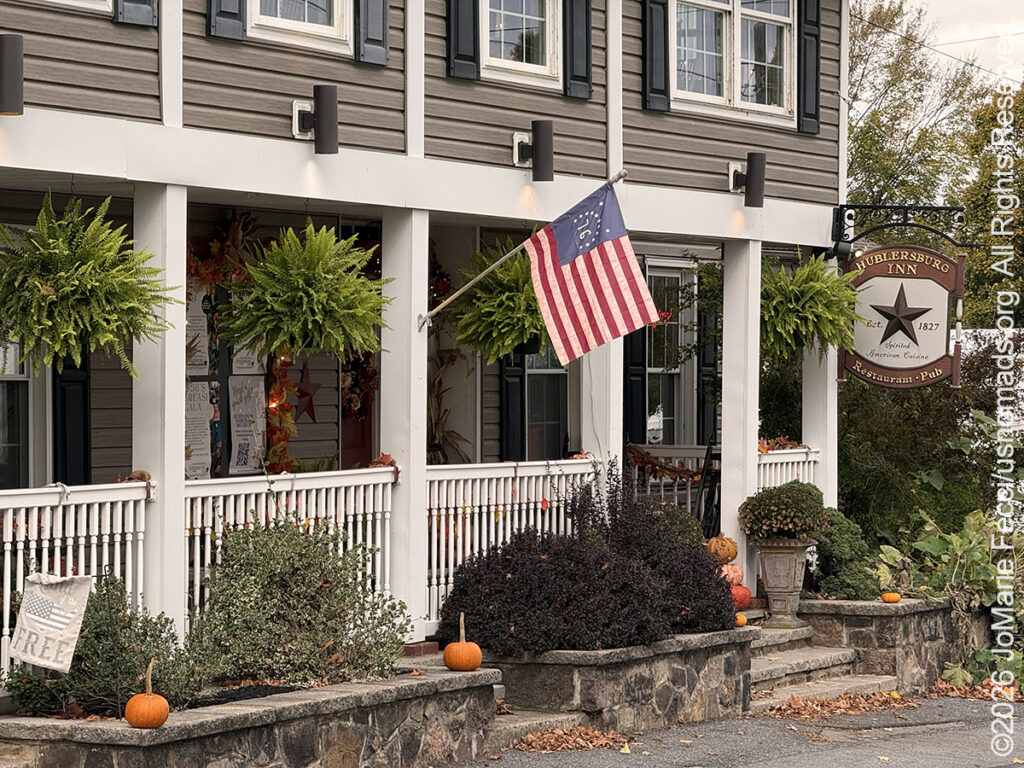
 By the time I roll into Bellefonte, Pennsylvania, the frantic energy of the move has started to drain away. I stop at the Hublersburg Inn, which dates back to 1827, back when travelers moved through these valleys by stagecoach at a distinctly human pace. Inside its thick stone walls and timbered rooms, the highway feels very far away. Resting over a great lunch, I can finally slow down. For the first time in weeks, I am thinking less about everything that had to be done and more about what lies ahead.
Back on the road, the Allegheny Plateau rises around me. The Jeep climbs through Elk and Cameron counties, surrounded by an expanse of forest that seems to have no end. It is easy to imagine that these mountains have always looked this way.
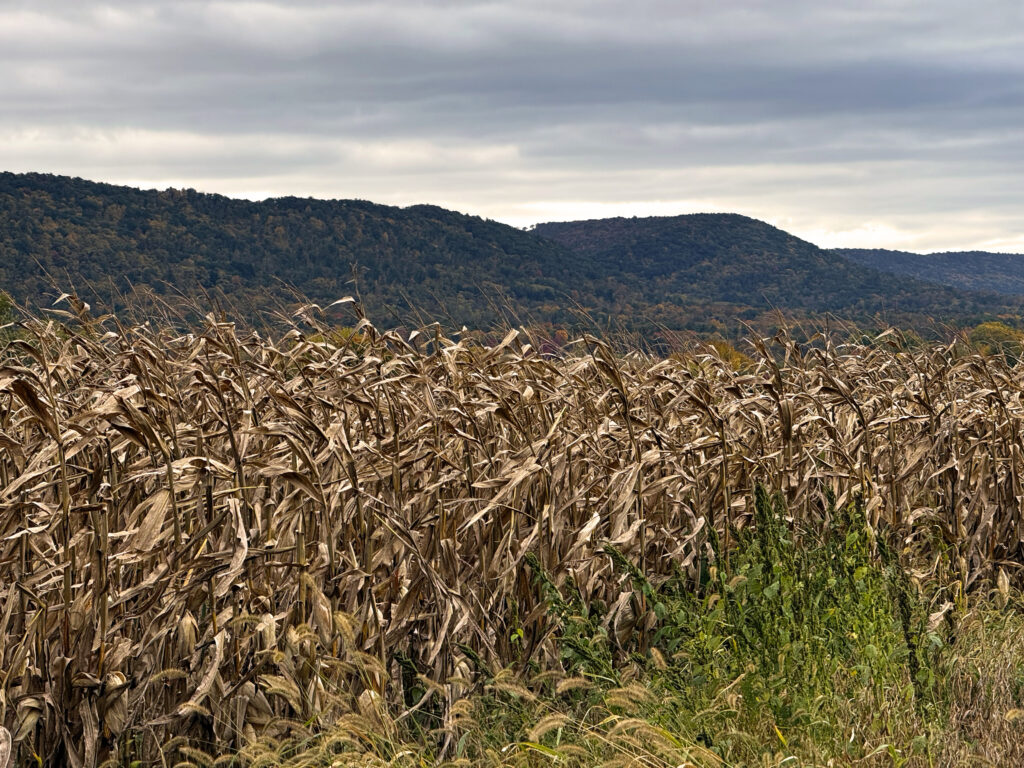
 They haven’t. During the nineteenth-century timber boom, much of this country was clear-cut. The forests were stripped from the hillsides, leaving behind erosion and a landscape radically different from the one I see today. What stands here now is the result of decades of regrowth and conservation. The forest has returned so completely that its scars are easy to miss.
There is something fitting about encountering that landscape on the first day of a journey built around change.
By late afternoon, I pull into Benezette, the heart of Pennsylvania’s elk country. The elk have their own story of disappearance and return. Native eastern elk were hunted to extinction in Pennsylvania by the late nineteenth century. In 1913, fifty Rocky Mountain elk were transported here from Yellowstone by train in an attempt to establish a new herd.
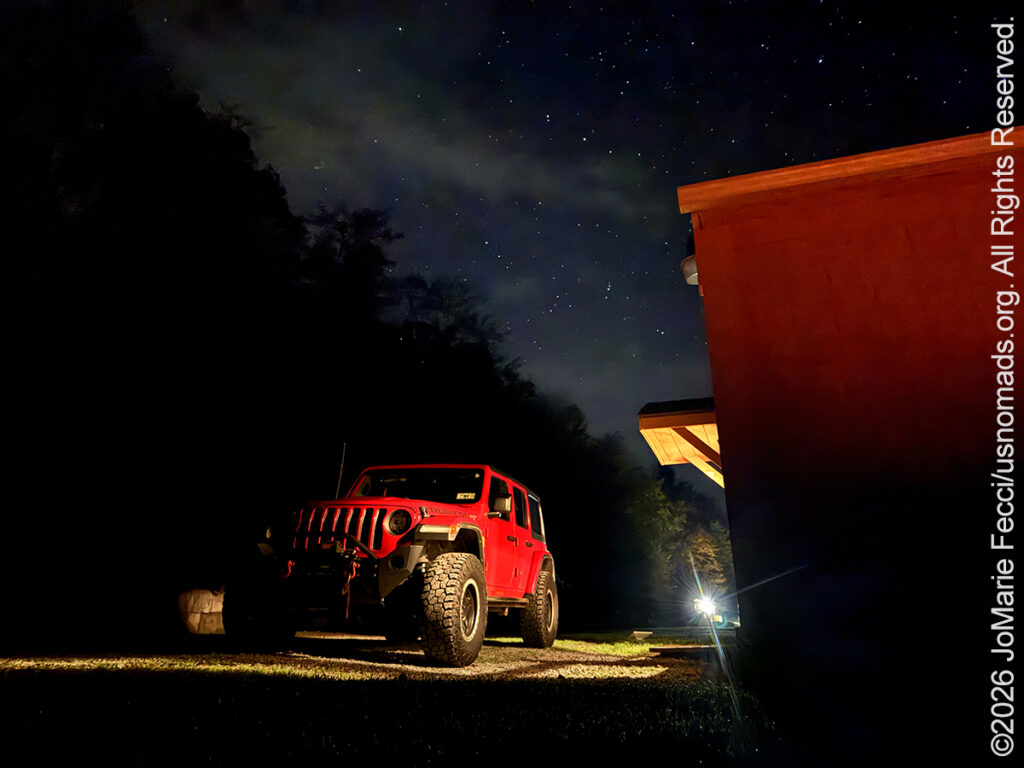 The herd took hold.
As the sun dips low and the mountain air turns sharp, I get settled into a small cabin at Medix Run, and struggle a bit to get the campfire started. There’s been a lot of rain and the wood is wet and doesn’t want to take. Eventually I win and sit close to the fire’s warmth, looking up to see the stars beginning to appear overhead. Time for some reflection.
After a day spent driving away from everything familiar, I am sitting in a place that feels remarkably far from where I came from. But the distance isn’t really that great. The landscape simply makes it feel that way. Tonight, I sleep in the shadow of the Alleghenies, with the call of elk echoing across the ridges. Tomorrow the journey continues.
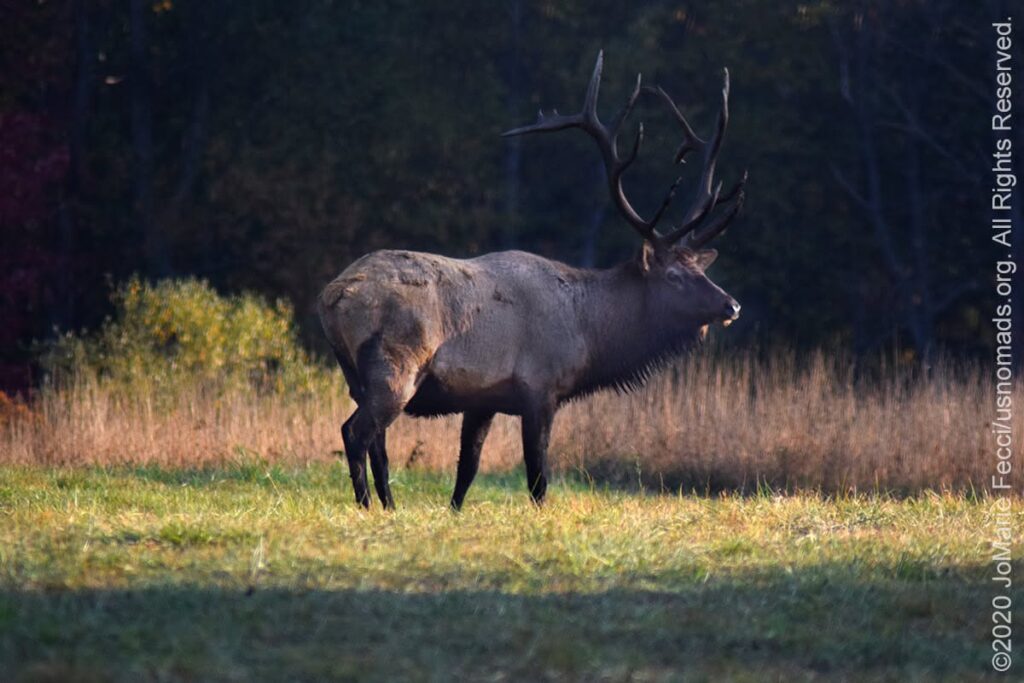 It is easy to picture elk as creatures strictly belonging to the American West—moving across a mountain meadow in Wyoming, browsing in Colorado forests, or bugling beneath the sharp peaks of Montana. But Pennsylvania has its own elk country, and the herd roaming these ridges represents one of the most remarkable wildlife restoration triumphs in the eastern United States.
Elk were once native across North America, including the dense hardwood forests and river valleys of the Keystone State. However, as 19th-century settlement expanded, unregulated hunting and sweeping habitat destruction eliminated the eastern subspecies. By the late 1800s, the eastern elk was officially extinct.
Their return was no accident.
Beginning in 1913, Pennsylvania wildlife managers took a bold gamble: importing Rocky Mountain elk by rail from Yellowstone. Over decades of careful management, those animals took root, building a thriving wild population that has become one of the East Coast’s most iconic natural attractions.
What makes this recovery compelling is that these animals did not return to a pristine, untouched wilderness. They returned to a landscape fundamentally altered by human industry—hillsides clear-cut by the timber boom, valleys reshaped by coal mining, and mountains crisscrossed by roads.
Conservation is rarely about freezing a landscape in time or putting nature back exactly as it was. More often, modern restoration is the hard work of finding out how wild species and human communities can coexist in a shared space.
Encountering them near the start of a cross-country journey creates a natural bridge. Elk are a living link between the eastern woods and the grand western landscapes further down the road. Their story mirrors the wider history of North American conservation: abundance, exploitation, collapse, and deliberate recovery.
Seeing a bull elk against a Pennsylvania sunrise is more than just a lucky wildlife viewing. It is tangible proof that landscapes can heal—and that with enough intention and effort, what was lost can come back.
The Great Plains don’t announce their arrival. There is no mountain pass, no dramatic shift in elevation, no billboard declaring that you’ve crossed into a different kind of country…
The river outlasted the bridge. Along the Kankakee River in Illinois, old stone or concrete pylons stood in the water, the structure they once supported long gone…

Long before sunrise, the quiet hum of the Jeep’s engine cut through the pre-dawn darkness of Toledo…
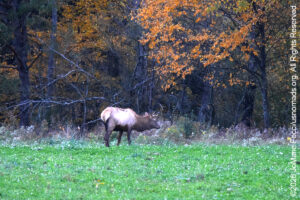
Dawn changes the character of a place. In Benezette, the valley is quiet again…